
Explained in detail
Yes, with the right pretreatment and cure.
Answer and context
Materials & Finishing Guide
Yes. Aluminum is routinely powder coated after cleaning, oxide removal and conversion pretreatment, then cured in an oven. Correct pretreatment is essential because aluminum's natural oxide layer can reduce adhesion.
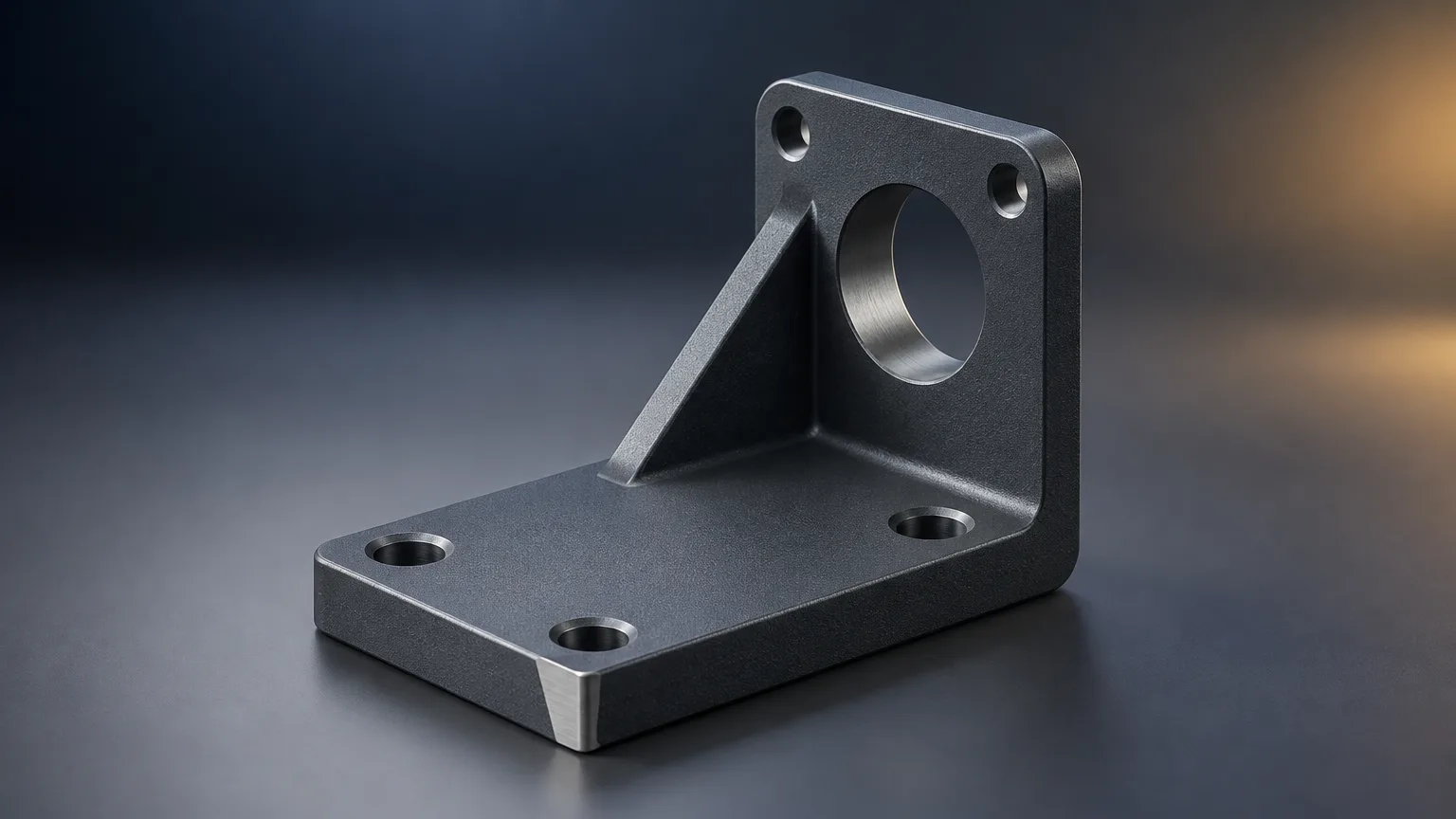
Yes, with the right pretreatment and cure.
Clean, etch, convert, spray, cure.
Pretreatment routes and AAMA classes.
Powder resin, substrate, conversion coat.
Balanced pros and cons.
Rules that reduce rework.
Where the finish is used.
What drives price, and how to quote.
Can you powder coat aluminum refers to whether aluminum parts can take a cured polymer powder finish. Yes: it works after cleaning, oxide removal, conversion pretreatment, electrostatic powder spray and oven curing. Pretreatment is essential because aluminum's natural oxide layer can reduce adhesion. Architectural work is usually specified to AAMA 2603, 2604 or 2605, or EN 12206-1.
Powder coating aluminum is a dry finishing process. Electrostatic spray deposition applies a finely ground polymer powder to a grounded aluminum part. The charged powder clings to the surface, and a curing oven then melts, flows and polymerizes it into a continuous film.
Can you powder coat aluminum? Yes. Aluminum parts take powder coating well once they are cleaned, deoxidized, conversion treated, sprayed and cured. The key condition is correct pretreatment, because the natural oxide layer on aluminum can reduce adhesion.
So can you powder coat aluminum for demanding service? Usually yes, but it is not a simple paint-over step. Pretreatment separates a durable architectural finish from a coating that peels or blisters.
Powder-coated aluminum, also written powder-coated aluminium, is an aluminum substrate carrying a cured thermosetting polymer film. The substrate may be an extrusion, sheet, casting, machined part or fabricated assembly. Performance depends on the powder chemistry, the pretreatment route and the cure schedule. When buyers ask can you powder coat aluminum for a specific alloy, the coater should confirm alloy and temper first.
Can you powder coat aluminum reliably? Yes, if the process follows a fixed sequence. Each step affects the next, so skipping or shortening one usually shows up later as poor adhesion, color shift or corrosion.
Powder coat aluminum finishing varies mainly by pretreatment route and by the performance class selected for the end use. The table below compares common routes and the architectural weathering classes.
| Option | Description | Advantage | Limitation |
|---|---|---|---|
| Standard route | Clean, etch or deoxidize, convert, spray, cure | Strong adhesion and corrosion protection | Requires controlled pretreatment |
| Chromate conversion plus powder | Chromate pretreatment beneath powder | Established corrosion performance | Environmental and regulatory controls for chromium chemistry |
| Chromium-free pretreatment | Zirconium or titanium conversion chemistry | Reduced hazardous chemistry | Performance depends on chemistry and process control |
| Pre-anodize, then powder coat | Anodize first, powder over the anodized layer | Alternative pretreatment route | Added process complexity and cost |
| AAMA 2603 class | General-purpose architectural performance | Slight fade after 1 year is the typical expectation | Least demanding of the three classes |
| AAMA 2604 class | High-performance architectural coating | Not more than 5 delta color change over 5 years | Higher coating cost than AAMA 2603 |
| AAMA 2605 class | Superior-performing architectural coating | Not more than 5 delta color change over 10 years | Most demanding class among these specifications |
| Comparison | Key differences |
|---|---|
| vs liquid paint | Powder avoids liquid solvent application and can provide a thick, durable film; liquid paint may better suit field repair, very thin films, or temperature-sensitive parts. |
| vs anodizing | Powder offers broader color and texture choices; anodizing preserves a metallic appearance and produces an oxide layer rather than a polymer film. |
| vs bare aluminum | Powder adds color, barrier protection and surface uniformity but requires pretreatment and may affect dimensions. |
| vs steel powder coating | Aluminum requires aluminum-specific pretreatment and handling; substrate thermal behavior and alloy condition also differ. |
Three material families determine how a powder-coated aluminum part performs: the powder resin, the aluminum substrate itself, and the conversion coating between them.
| Material | Grade | Properties | Typical uses |
|---|---|---|---|
| Thermosetting powder coating | Select polyester, epoxy or hybrid by service environment | Dry powder melts and polymerizes during curing; final properties depend on resin and cure schedule. | General industrial, architectural and outdoor aluminum finishing. |
| Aluminum substrate | Verify alloy, temper, casting, extrusion and heat-treatment limits | Lightweight substrate with a naturally forming oxide layer requiring pretreatment. | Extrusions, sheet, castings, machined parts and fabricated assemblies. |
| Conversion coating | Chromate or chromium-free system | Promotes adhesion and corrosion resistance; EN 12206-1 recognizes both chromate and alternative systems. | Pretreatment beneath powder coating. |
Powder coating aluminum offers real benefits, but it also carries constraints that should be designed for early. The balance below applies to decorative and protective finishes on machined or cast aluminum.
Can you powder coat aluminum parts without rework? Yes, when design decisions are made before quoting. These practical rules reduce rework and inspection disputes.
Powder-coated aluminum appears wherever a lightweight substrate needs durable color and surface protection. Decorative and protective finishes on machined or cast aluminum cover most of these uses.
For outdoor aluminum, select a coating system and performance class suited to exposure. AAMA 2604 and 2605 provide higher architectural weathering requirements than AAMA 2603, so the exposure level of the final installation should drive the class you specify.
Powder coating cost is driven by part size and geometry, pretreatment route, powder chemistry and performance class, and inspection requirements. Larger parts consume more oven and line capacity; complex geometries take longer to rack, coat and inspect.
| Driver | Why it matters |
|---|---|
| Part size and geometry | Drives racking, line time and oven capacity |
| Pretreatment route | Chromate, chromium-free and pre-anodize routes differ in complexity and controls |
| Powder chemistry and class | Architectural classes such as AAMA 2604 and 2605 raise material and testing requirements |
| Cure schedule | Follows powder manufacturer's metal-temperature schedule |
| Inspection and documentation | AAMA or EN performance documentation and retained records add work |
For pieces with critical appearance or performance demands, plan a first-article review covering color, gloss, texture and film continuity before full production.
Sourcing Repository takes your drawing and requirements, collects quotes from a vetted supplier network, and manages quality and inspection through delivery. SR does not own factories or machines. Quote turnaround is typically 5-7 working days.
Upload it with quantity and material to start a quote.
FAQ
Yes. Aluminum is routinely powder coated when the surface is correctly cleaned, etched or deoxidized, conversion treated, sprayed and cured. Pretreatment matters most: aluminum's natural oxide layer can reduce adhesion if it is not removed first.
Yes. Choose a coating system and performance class suited to the exposure. AAMA 2604 and AAMA 2605 set higher architectural weathering requirements than AAMA 2603, which is the general-purpose class. Confirm the class on the drawing before production.
Usually yes, but porous castings can outgas during curing. Test representative parts, and specify a suitable powder and cure process. Review the casting method, surface condition and any prior heat treatment with the coater before the batch is scheduled.
Yes. Cleaning and conversion pretreatment promote adhesion and corrosion resistance. EN 12206-1 recognizes chromate and chromium-free systems. Without pretreatment, powder may adhere poorly or fail in service, especially in exterior applications.
Related resources
Ready when you are
Send your drawings and finish requirements. Sourcing Repository collects quotes from a vetted supplier network, then manages quality and inspection through delivery. Quote turnaround is typically 5-7 working days.
Your files stay confidential. NDA available on request.