
Automotive Parts Manufacturing
Types of Mounting Brackets, Mounts and Heat Shields
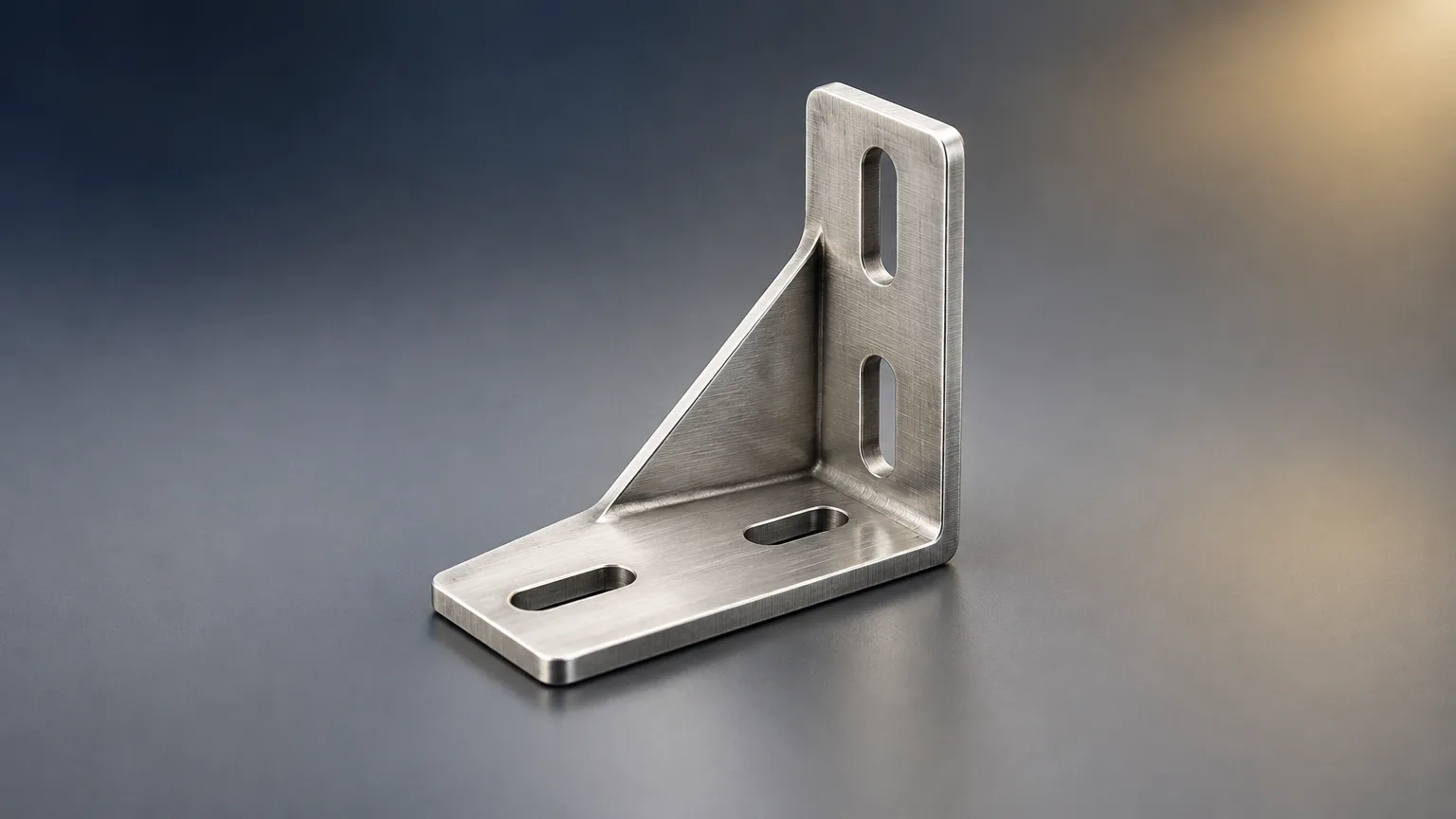
Brackets, mounts and heat shields position, secure and protect vehicle components. SR collects quotes from a vetted supplier network, manages quality and inspection, and delivers finished parts.
- Stamped, machined, cast, molded
- Metal and plastic brackets
- PPAP and traceability
- Prototype to production
- Quote turnaround5-7 working days from a complete RFQ package
- Inspection managedDimensional and documentation checks before delivery
- Design reviewSupplier feedback on tolerances, material and process
The main types of mounting brackets are stamped sheet-metal brackets, CNC-machined brackets, cast or forged brackets, molded plastic brackets, and welded or riveted assemblies. Heat shields are usually thin stamped or formed metal with an insulating layer. The right type depends on load, temperature, vibration, volume and tolerance needs.
What are the main types of mounting brackets, mounts and heat shields?
The main types of mounting brackets are stamped, machined, cast or forged, and molded plastic parts, used alongside mounts and heat shields. A mounting bracket holds a component in position and transfers its loads into the body, frame or subframe. A mount adds a compliant element, and a heat shield is a barrier that limits heat reaching nearby parts. These automotive components appear around engines, exhausts, batteries, sensors and the underbody.
Types of mounting brackets are grouped by how they are made: stamped sheet-metal, CNC-machined, cast or forged, and molded plastic. Each type suits a different mix of load, volume, tolerance and cost, so the process choice should follow the part's function.
Where each type is used
- Stamped brackets: high-volume body, chassis and underbody attachment points.
- Machined brackets: low-volume, tight-tolerance or prototype applications.
- Cast and forged brackets: load-bearing engine, suspension and driveline mounts.
- Molded plastic brackets: clips, interior trim, ducts and light-duty retention.
- Heat shields: exhaust, turbo, catalyst and underbody thermal protection.
Typical manufacturing processes for mounting brackets and heat shields
The typical manufacturing processes for mounting brackets and heat shields are stamping, CNC machining, casting, forging and injection molding. In auto parts manufacturing, the route follows geometry, material and volume. That is why the types of mounting brackets used in car parts manufacturing and automotive parts manufacturing differ so widely.
- Stamping Economical for high-volume sheet-metal parts; needs dedicated dies and suits complex 3D forms poorly.
- CNC machining Precise and flexible for prototypes or low volumes; waste and cycle time can be high.
- Die casting Makes near-net-shape aluminum, zinc or magnesium parts quickly; porosity, tooling cost and alloy limits need control.
- Forging Gives strong, fatigue-resistant metal parts; tooling and machining allowances add cost.
- Injection molding Efficient for repeatable plastic parts; tooling cost and design lead time can be substantial.
- Additive manufacturing Useful for prototypes and complex low-volume parts; production rate, finish and material qualification may limit use.
- Assembly and joining Welding, riveting, fastening, bonding or overmolding combine components; joint strength, distortion and traceability need validation.
| Comparison | Key differences |
|---|---|
| CNC machining vs injection molding | Machining favors low volume, tight features and metal parts; molding favors high-volume plastic production after tooling investment. |
| Stamping vs machining | Stamping is faster and economical for sheet-metal volume; machining offers greater flexibility and localized precision. |
| Casting vs forging | Casting supports complex near-net shapes; forging generally provides stronger directional grain and fatigue performance. |
| Prototype vs production part | Prototype routes minimize tooling and lead time; production routes optimize repeatability, cycle time, capability and total cost. |
Materials used for brackets, mounts and heat shields
Materials for brackets, mounts and heat shields are chosen by balancing strength, weight, temperature, corrosion and cost. Steel and aluminum suit most types of metal brackets, while plastics suit light-duty retention. Heat shields often use thin aluminum or aluminized steel with a fiber or air-gap insulator. Across vehicle parts manufacturing, grades are unverified here and must be specified on the drawing.
| Material | Properties | Typical uses |
|---|---|---|
| Aluminum alloys | Low density, corrosion resistance, machinability and castability | Brackets, housings, engine and transmission components |
| Carbon and alloy steel | High strength, fatigue resistance and weldability vary by grade | Stampings, suspension and structural parts |
| Magnesium alloys | Very low density and good castability; corrosion protection often required | Lightweight housings, brackets and seat frames |
| Polypropylene | Low density, chemical resistance and good processability | Trim, ducts, covers and molded interior parts |
| Polyamide | Good strength, wear resistance and temperature capability; moisture affects dimensions | Clips, brackets, connectors and under-hood parts |
Quality requirements for automotive brackets and mounts
Automotive brackets and mounts are usually produced under a documented quality system with part approval, traceability and inspection. Suppliers commonly operate under IATF 16949 and applicable customer-specific requirements. SR manages the quality and inspection steps on your behalf.
- Part approval: submission level and evidence vary by customer; AIAG PPAP and applicable customer-specific requirements apply.
- Traceability: material lot, process route and inspection records should be linked to the part or batch.
- Inspection: dimensional checks, visual checks and, where specified, hardness, strength or coating tests.
- Capability: Cp/Cpk targets are customer- and feature-specific; control plan and SPC support critical features.
- Documentation: drawing revision, material certificate and inspection report should match the approved package.
Specifications and tolerances for mounting brackets
Tolerances and sizes depend on process, material, part size and drawing. The table below lists the parameters to define on the drawing; values must be confirmed by the supplier's capability study.
| Parameter | Typical range | Standard or source |
|---|---|---|
| Dimensional tolerance | Unverified; depends on process, size, material and drawing | Part drawing and supplier capability study required |
| Geometric tolerancing | Unverified; specify datum scheme and GD&T callouts | ASME Y14.5 or applicable ISO GPS standard; exact edition unverified |
| Surface roughness | Unverified; specify Ra or other required parameter | Drawing requirement; applicable surface-texture standard unverified |
| Hardness and strength | Unverified; defined by material and heat-treatment specification | Material specification and test method required |
| Capability | Cp/Cpk targets are customer- and feature-specific | IATF 16949, control plan, SPC and customer-specific requirements |
| Part approval | Submission level and evidence vary by customer | AIAG PPAP and applicable customer-specific requirements |
For heat shields, add the facing material thickness, insulator type and required air gap to the drawing. For mounts, define the elastomer or bushing hardness and the static or dynamic stiffness target where applicable.
Volumes and lead times from prototype to production
Prototype brackets are usually machined, cut or additively manufactured to avoid tooling. Production brackets move to stamping, casting, forging or molding once volume justifies the tool. Lead time is driven by tooling, material availability and inspection requirements.
| Stage | Typical route | What drives lead time |
|---|---|---|
| Prototype | CNC machining, laser cutting, additive manufacturing | Programming, material stock, setup count |
| Bridge or pilot | Soft tooling, low-volume stamping, machining | Tooling lead time, first-article approval |
| Production | Stamping, die casting, forging, injection molding | Hard tooling, material supply, PPAP approval |
SR collects quotes from a vetted supplier network and returns them in 5-7 working days for a complete RFQ package. Final lead times depend on the selected process and supplier capacity.
Design tips for brackets, mounts and heat shields
Most bracket problems trace back to tolerance stack-up, sharp corners or an undefined interface. These DFM points reduce cost and risk before tooling is cut.
- Request the tightest tolerance needed for function, not the tightest possible tolerance.
- Define the datum scheme and GD&T callouts so inspection is repeatable.
- Use generous radii and avoid sharp internal corners in stamped and cast parts.
- Standardize bolt sizes, hole diameters and material thickness across a bracket family.
- Confirm the mounting-face flatness and hole position that control assembly.
- For heat shields, specify the service temperature, air gap and insulator.
- For mounts, define stiffness, deflection and environmental exposure.
- Keep the number of welded or riveted joints to the minimum that meets the load case.
Good for cost and speed
- Simple L or Z bends in sheet metal
- Standard hole sizes and thicknesses
- One process route per part
- Tolerances matched to function
Drives cost and risk
- Tight tolerances on non-critical features
- Multiple welded sub-assemblies
- Undefined datum or interface
- Mixed materials without a joining plan
How to order brackets, mounts and heat shields through SR
You order brackets, mounts and heat shields through SR by sending an RFQ. SR is a manufacturing broker and does not own factories or machines. We collect quotes from automotive component manufacturers in our vetted supplier network, manage quality and inspection, and deliver the finished parts to you.
- Send CAD, drawing and revision, or a description if no drawing exists, and say which types of mounting brackets you need.
- State material, finish, tolerances, quantity and delivery location.
- Note the application and any inspection or PPAP requirements.
- Receive quotes from vetted suppliers in 5-7 working days.
- Approve the supplier and first article, then move to production.
Have a drawing to quote?
Upload it with quantity and material to start a quote.
FAQ
Common questions
What are the different types of mounting brackets?
Common types are stamped sheet-metal brackets, CNC-machined brackets, cast or forged brackets, molded plastic brackets, and welded or riveted assemblies. Each type suits a different combination of load, volume, tolerance and cost.
What information is needed for a quote?
Provide CAD, drawing, revision, material, finish, tolerances, quantity, delivery location, inspection needs and intended application. If no drawing exists, describe the interface and load case so the supplier can propose a route.
What tolerance should be requested for a bracket?
Request the tightest tolerance needed for function, not the tightest possible one. Achievable tolerance depends on process, size, material and drawing, so ask the supplier to confirm capability for each critical feature, especially hole position and mounting-face flatness.
What is PPAP?
PPAP, the Production Part Approval Process, is an automotive submission process that demonstrates a supplier's production processes can consistently meet approved requirements. Submission levels and evidence vary by customer and program, so confirm the required level and documents before ordering.
Related resources
Keep reading
Ready when you are
Get quotes for brackets, mounts and heat shields
Send your drawing or part description. SR collects quotes from vetted suppliers, manages quality and inspection, and delivers the parts.
Your files stay confidential. NDA available on request.