
Injection Molding Sourcing
Plastic Automotive Components Sourcing and Injection Molding
SR collects quotes from a vetted supplier network for custom plastic automotive components, manages quality and inspection, and delivers parts to your specification. We do not own factories or machines.
- Injection molding
- PP, PA, ABS
- IATF 16949 suppliers
- Inspection managed
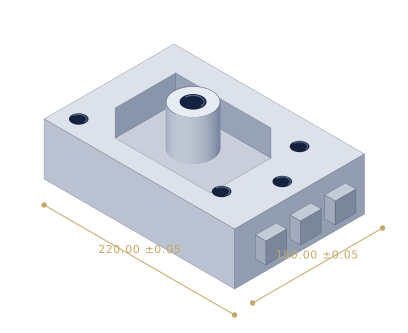
Plastic automotive components are injection-molded parts such as trim, bezels, ducts, clips and under-hood brackets. SR is a manufacturing broker: it collects quotes from a vetted supplier network, manages quality and inspection, and delivers parts. SR does not own factories or machines, so tooling, molding and validation are performed by approved suppliers.
What plastic automotive components sourcing is
Plastic automotive components are parts produced mainly by injection molding for vehicle interiors, exteriors and under-hood systems. Injection molding is efficient for repeatable plastic parts, though tooling cost and design lead time can be substantial.
This service is for engineers, procurement managers and founders who need custom plastic parts for automotive use, from prototype quantities through production volumes. It fits programs where a drawing or CAD model exists, or where a supplier must develop one, and where dimensional consistency and material traceability matter.
When to use this service
- You need custom plastic parts for automotive rather than catalog hardware.
- Your part is suited to molding: repeatable geometry, defined wall thickness and a stable material choice.
- You want one contact managing quoting, supplier selection, inspection and delivery instead of coordinating several vendors.
- You need a supplier network that works to automotive quality expectations such as IATF 16949 and PPAP where the program requires it.
Injection molding process steps for plastic automotive parts
In auto parts manufacturing, injection molding of plastic automotive parts runs in seven steps, from requirements review to delivered parts, with SR coordinating each stage across the supplier network.
Plastic automotive components are polymer parts, such as trim, ducts, clips and housings, made by processes like injection molding for use in vehicles. SR sources them from vetted suppliers, manages inspection and delivers the parts.
- 1. Requirements and drawing review Send CAD, drawing, revision, material, finish, tolerances, quantity, delivery location and inspection needs. SR checks completeness and flags gaps before quoting.
- 2. Supplier matching and quoting SR routes the RFQ to suppliers whose process, material experience and capacity fit the part. Quote turnaround is typically 5-7 working days from a complete RFQ.
- 3. DFM and tooling review The supplier reviews wall thickness, draft, gate location, ejection and shrinkage, and confirms the tooling approach and design lead time before release.
- 4. Tooling build and first articles The mold is built and sampled. First-article parts are measured against the drawing and issues are corrected before production.
- 5. Production molding Parts run under a defined process window with in-process checks on critical features where the program requires it.
- 6. Inspection and documentation SR manages dimensional and visual inspection and coordinates PPAP or other submission evidence where required.
- 7. Delivery Parts are packed to protect cosmetic surfaces and shipped to the agreed destination, with SR as single point of contact.
Materials and finishes for plastic automobile parts
Plastic automobile parts are typically made from polypropylene, polyamide or ABS. Automotive component manufacturers choose among them for stiffness, temperature capability, chemical resistance and surface appearance; grades are unverified here and must be specified on the drawing.
| Material | Properties | Typical uses |
|---|---|---|
| Polypropylene | Low density, chemical resistance, and good processability | Trim, ducts, covers, containers, and molded interior parts |
| Polyamide | Good strength, wear resistance, and temperature capability; moisture affects dimensions | Gears, clips, brackets, connectors, and under-hood parts |
| ABS | Impact resistance, dimensional stability, and attractive molded surfaces | Interior trim, bezels, housings, and instrument-panel parts |
Finishes and secondary operations
- Molded-in color and texture where paint is not required.
- Painting and laser etching for bezels, badges and visible interior trim.
- Welding, riveting, fastening, bonding or overmolding to combine components; joint strength, distortion and traceability require validation.
- Machining or trimming to hold features that molding alone cannot achieve.
Specs and tolerances for plastic automotive parts
Tolerances for plastic automotive parts are not universal. In car parts manufacturing and vehicle parts manufacturing they depend on process, part size, material, shrinkage and the drawing.
The table lists what must be defined and confirmed rather than fixed numbers. A Tier 1 supplier or OEM customer may add its own capability and approval requirements, and the supplier should confirm capability for each critical feature before tooling release.
| Parameter | Typical range | Standard or source |
|---|---|---|
| Dimensional tolerance | Unverified; depends on process, size, material, and drawing | Part drawing and supplier capability study required |
| Geometric tolerancing | Unverified; specify datum scheme and GD&T callouts | ASME Y14.5 or applicable ISO GPS standard; exact edition unverified |
| Surface roughness | Unverified; specify Ra or other required parameter | Drawing requirement; applicable surface-texture standard unverified |
| Hardness and strength | Unverified; defined by material and heat-treatment specification | Material specification and test method required |
| Capability | Cp/Cpk targets are customer- and feature-specific | IATF 16949, control plan, SPC, and customer-specific requirements |
| Part approval | Submission level and evidence vary by customer | AIAG PPAP and applicable customer-specific requirements |
Design tips that lower the cost of plastic parts for automotive
Most cost is locked in at design. These DFM points reduce tooling complexity, cycle time and scrap.
- Keep wall thickness uniform. Thick sections cool slowly, warp and add cycle time; ribs and gussets add stiffness without mass.
- Add draft on every vertical face. Insufficient draft causes drag marks, ejection damage and higher tool maintenance.
- Avoid undercuts where possible. Slides and lifters raise tooling cost and add maintenance; a snap-fit redesign is often cheaper.
- Place gates and weld lines away from cosmetic and structural surfaces. Weld lines reduce strength and show on visible parts.
- Specify the loosest tolerance that still functions. Tight tolerances on non-critical features add inspection cost without benefit.
- Choose a material that matches the environment. Under-hood heat, fuels and UV exposure narrow the viable grade list.
- Design for assembly early. Snap-fits, locating features and overmolding interfaces reduce secondary operations and fasteners.
Typical applications for plastic automotive components
Molded plastic parts appear across interior, exterior and under-hood systems. The examples below reflect common part families and the industries that buy them.
| Part family | Example parts | Typical industries |
|---|---|---|
| Interior trim | Bezels, covers, instrument-panel parts, clips | Passenger vehicles, commercial vehicles, aftermarket |
| Under-hood | Brackets, connectors, housings, ducts | Powertrain, driveline, thermal management |
| Exterior | Grilles, trim strips, caps, small covers | Body and chassis, replacement and service parts |
| Structural and lightweight | Seat frames, panel structures, housings | Lightweighting programs, performance and accessory parts |
| Service and performance | Replacement covers, adapters, mounting hardware | Aftermarket, motorsport, restoration |
OEM programs usually require validated processes, traceability and customer approval, while custom aftermarket work often prioritizes flexibility and low-volume economics. The same part family can follow either route depending on volume and approval needs.
What drives the cost of custom auto parts
No reliable universal price exists for custom auto parts. Cost depends on geometry, material, process, tooling, quantity, tolerance, finishing, inspection and logistics. SR does not publish prices; each quote is built from the actual drawing and volume.
- Tooling: mold complexity, number of cavities, slides and lifters, and expected tool life.
- Part geometry: size, wall thickness, undercuts and cosmetic requirements.
- Material: resin family, grade, additives, color and any filled or reinforced compound.
- Tolerance and inspection: critical features, GD&T callouts, SPC and PPAP evidence.
- Volume: annual quantity and batch size affect cycle time allocation and tool amortization.
- Finishing and assembly: painting, etching, joining, overmolding and secondary machining.
- Logistics and packaging: cosmetic protection, dunnage and delivery distance.
Why order plastic automotive components through SR
Ordering plastic automotive components through SR gives you one contact instead of coordinating tooling shops, molders, finishers and inspectors yourself. SR is a manufacturing broker, not a factory: we collect quotes from a vetted supplier network, manage quality and inspection, and deliver parts. It suits buyers of automotive parts manufacturing whose end customer is an OEM or a Tier 1 supplier.
What SR does
- Reviews your drawing and RFQ for completeness
- Routes the RFQ to suppliers matched to the part
- Manages DFM feedback, tooling release and sampling
- Coordinates inspection and PPAP evidence where required
- Stays your single point of contact through delivery
What SR does not do
- SR does not own factories or machines
- Molding, tooling and testing are performed by network suppliers
- SR does not publish prices; quotes are project-specific
Have a drawing to quote?
Upload it with quantity and material to start a quote.
FAQ
Common questions
How much do custom auto parts cost?
No reliable universal price exists. Cost depends on geometry, material, process, tooling, quantity, tolerance, finishing, inspection and logistics. SR builds each quote from your drawing and volume rather than publishing a rate card.
What information is needed for a quote?
Provide CAD, drawing, revision, material, finish, tolerances, quantity, delivery location, inspection needs and intended application. A complete package lets suppliers quote accurately, and SR's turnaround is typically 5-7 working days from a complete RFQ.
Can a supplier make a part without a drawing?
A supplier may reverse-engineer or develop a model, but requirements, ownership, tolerances, materials and approval responsibilities must be agreed in writing. A drawing or controlled CAD model is strongly preferred for automotive parts.
What is PPAP?
PPAP is an automotive submission process used to demonstrate that production processes can consistently meet approved requirements. Submission level and evidence vary by customer, so confirm the required level before tooling release.
Related resources
Keep reading
Ready when you are
Send your drawing for a plastic components quote
Share CAD, material, tolerances and quantity. SR reviews the package, routes it to matched suppliers and returns quotes in 5-7 working days.
Your files stay confidential. NDA available on request.