
Structural Steel Fabrication
Structural Steel Fabrication Services
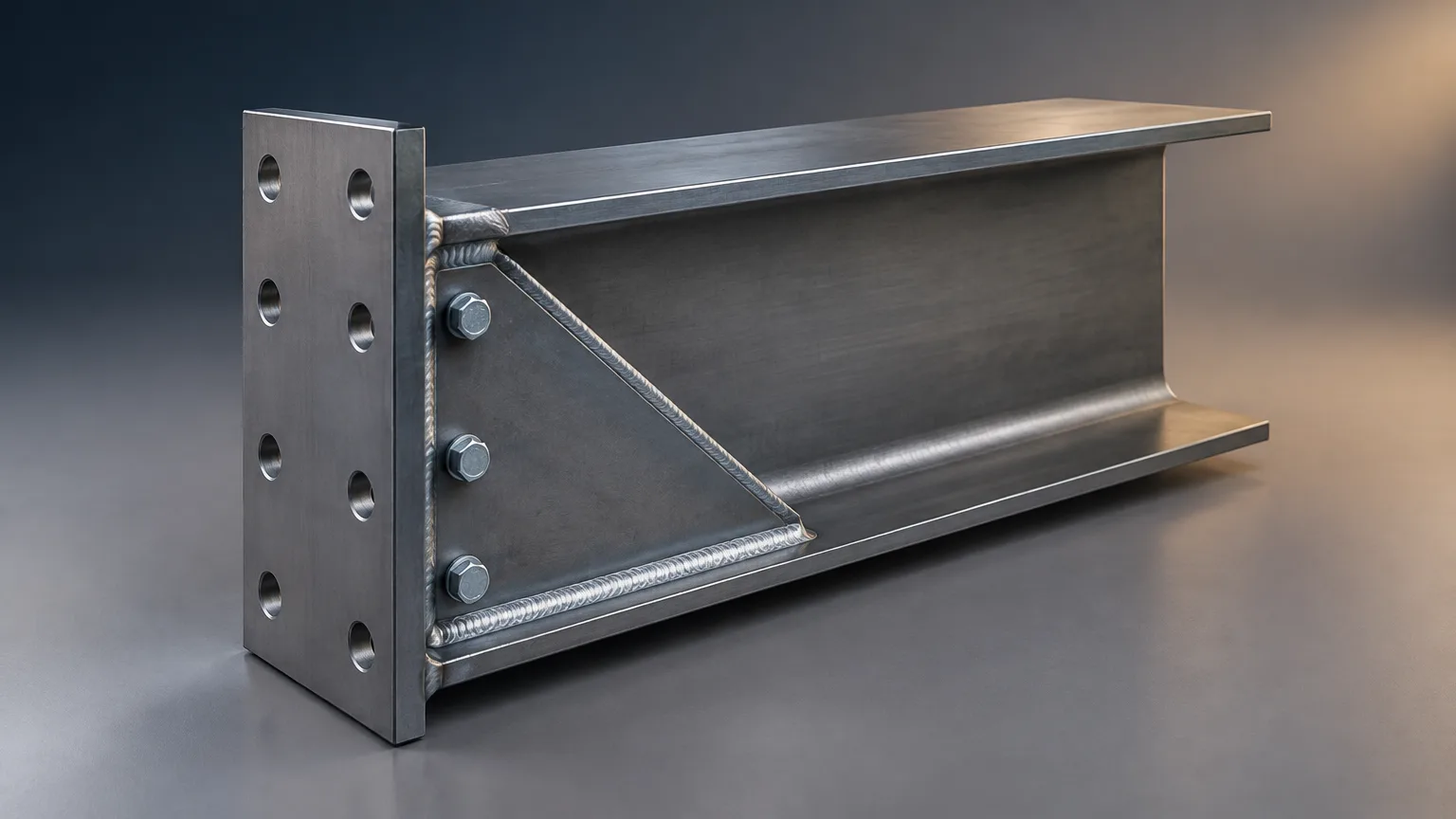
Structural steel fabrication is the shop-based cutting, forming, drilling, fitting, welding, bolting, finishing and inspection of steel members and assemblies used in load-bearing construction.
- AISC-spec work
- Shop and field scope
- Inspection managed
- Inspection managedDimensional, weld and bolt records reviewed
- Quote in 5-7 daysOne contact across the supplier network
- Traceability checkedMaterial certificates and heat numbers
Structural steel fabrication is the shop-based cutting, forming, drilling, fitting, welding, bolting, finishing and inspection of steel members and assemblies used in load-bearing construction. Work is produced from engineered drawings under AISC specifications and documented quality-management procedures. SR collects quotes from a vetted supplier network, manages quality and inspection, and delivers finished parts.
What structural steel fabrication is and when to use it
Structural steel fabrication is the shop-based cutting, forming, drilling, fitting, welding, bolting, finishing and inspection of steel members and assemblies used in load-bearing construction. Work is typically produced from engineered drawings under AISC specifications and documented quality-management procedures.
It is used whenever steel carries design loads: building frames, bridges, equipment supports and platforms. Buyers are usually structural engineers, general contractors, procurement managers and founders who need members made to drawing and delivered to site.
When to use structural steel fabrication
- The member or assembly carries design loads and must follow structural codes.
- Drawings, connection details and a design code are available.
- Repeatable shop conditions are preferred over site work.
- Material traceability, weld records and inspection documentation are required.
Structural steel processing services: process steps
Structural steel processing services follow a defined sequence from released drawings to delivered members. Each step produces records for inspection and traceability.
- 1. Drawing review and detailing Drawings, design code and connection details are reviewed. Shop drawings are approved before material is ordered.
- 2. Material selection and traceability Grade, section size and plate thickness are confirmed. Material certificates and heat numbers are recorded.
- 3. Cutting and forming Members are saw or thermally cut, then drilled, coped or beveled. CNC processing automates sawing, drilling, coping and layout.
- 4. Fitting and assembly Pieces are fitted to shop drawings. Plate fabrication adds beveled edges and stiffeners for built-up girders.
- 5. Welding or bolting Connections are welded or bolted to the approved detail, using qualified welding procedures and the RCSC Specification for bolting.
- 6. Inspection and testing Dimensional checks, visual weld inspection and required non-destructive testing are performed. Bolt records are kept where pretension is specified.
- 7. Finishing and coating Members are cleaned and coated to the specified system. Exposed steel may carry enhanced requirements under AISC 303, Section 10.
- 8. Shipping and field support Pieces are marked, packed and shipped. Field assembly adds weather and access risk.
Materials and finishes for structural steel structures
Material selection starts with the design code and the structural drawings. The table below lists common material families; exact grade, thickness and toughness requirements must be confirmed in the current material specification.
| Material | Grade | Properties | Typical uses |
|---|---|---|---|
| Carbon structural steel | ASTM A992/A992M | W-shape steel with specified yield and tensile requirements; exact values must be confirmed in the current material specification. | Building beams and columns |
| Structural plate and shapes | ASTM A36/A36M | General carbon structural steel; grade properties depend on product form and applicable specification. | Plates, angles, channels and miscellaneous framing |
| High-strength low-alloy steel | ASTM A572/A572M | HSLA structural steel available in specified grades; verify grade, thickness and toughness requirements. | Heavy framing, plates, bridges and equipment supports |
| High-strength bolts | ASTM F3125/F3125M | Structural bolting specification covering high-strength bolts; grade and assembly requirements must be specified. | Moment, shear and slip-critical connections |
Finishes and coatings
- Cleaning and surface preparation to the specified coating system.
- Shop primer for protection during transport and storage.
- Architecturally exposed steel with enhanced appearance and fit requirements under AISC 303, Section 10.
- Galvanizing or other systems where specified by the project.
Specs and tolerances for structural steel fabrication
Structural steel fabrication is controlled by project-specific tolerances, weld acceptance criteria and bolt installation rules, not by one universal value. AISC 303, AWS D1.1/D1.1M and the RCSC Specification define them, and approved drawings set the final limits.
| Parameter | Typical range | Standard or source |
|---|---|---|
| Member dimensions and fabrication tolerances | Project-specific; no universal value verified | AISC 303 and approved fabrication drawings |
| Weld acceptance | Visual and NDT acceptance criteria are project- and weld-category-specific | AWS D1.1/D1.1M |
| Bolt installation | Pretension or snug-tight requirements depend on connection design | RCSC Specification and approved drawings |
| Architecturally exposed steel | Enhanced appearance and fit requirements; values not verified | AISC 303, Section 10 |
| Plate thickness and section size | Specified by design; verify mill availability and applicable ASTM limits | ASTM product specification and structural drawings |
Design tips that lower structural steel fabrication cost
Most cost is fixed by the drawing set before a shop is involved. These design choices reduce fabrication and inspection effort.
- Use standard rolled sections where possible. Built-up sections add plate fitting, welding, distortion and inspection.
- Standardize connections and bolt sizes to reduce setup and error risk.
- Prefer bolted connections for erection. Bolting can simplify erection and inspection; welding needs qualified procedures, access and weld inspection.
- Keep weld sizes and details simple to limit inspection cost.
- Design for transport. Oversized pieces may force field splices.
- Specify coatings early, since surface preparation affects schedule and touch-up.
- Release complete drawings. Missing piece marks, grades or connection details delay orders.
Typical applications and industries
Structural steel fabrication supports load-bearing construction across several industries. Example parts and structures include:
- Building frames: beams, columns, braces and moment connections.
- Bridges and transportation structures.
- Equipment supports, platforms, stairs and handrails tied to primary steel.
- Architecturally exposed structural steel for visible frames.
- Built-up girders and custom shapes made by plate fabrication.
Industries served
- Commercial and industrial construction
- Bridge and transportation infrastructure
- Automotive plants and manufacturing facilities
- Energy and process equipment supports
Common scope splits
- Shop fabrication: cut, drill, fit, weld or bolt, inspect, coat, ship
- CNC processing for repetitive members and traceability
- Plate fabrication for built-up girders and custom shapes
- Field assembly: erection and bolting or welding onsite
What drives structural steel fabrication cost
Structural steel fabrication cost is driven by design decisions, material market conditions and the inspection and documentation scope. No universal hourly, per-pound or per-ton rate is verified here.
- Steel grade, section size and plate thickness.
- Quantity and repetition: CNC processing suits repetitive work but needs accurate models and setup.
- Connection complexity: welded versus bolted details change labor and inspection.
- Weld and NDT requirements, which are project- and weld-category-specific.
- Coating system and surface preparation.
- Documentation: material certificates, weld qualifications and inspection reports.
- Transport distance, member size limits and schedule.
Why order structural steel fabrication through SR
Ordering structural steel fabrication through SR gives you one contact from RFQ to delivery. SR is a manufacturing broker that does not own factories or machines; it collects quotes from a vetted supplier network, manages quality and inspection, and delivers parts.
- Vetted suppliers matched to the process route and material.
- Quality and inspection managed on your behalf, including dimensional, weld and bolt records.
- Material certificates, heat numbers and traceability verified against the approved drawings.
Send drawings and requirements to killol@sourcingrepository.com or use the quote form. Quotes typically return in 5-7 working days.
Have a drawing to quote?
Upload it with quantity and material to start a quote.
FAQ
Common questions
Should the fabricator provide engineering?
Clarify whether the scope includes detailing, connection design, delegated design, engineering seals, or fabrication only. This decision affects responsibility, schedule and cost, so it should be stated in the RFQ and confirmed in the purchase order before drawings are released.
What information should a buyer provide?
Provide drawings, design code, grades, quantities, piece marks, connections, weld and NDT requirements, coatings, delivery location and schedule. Complete information lets fabricators quote accurately and avoids change orders after the material order is placed.
How is quality demonstrated?
Request material certificates, traceability records, weld qualifications, inspection reports, NDT results, bolt records and dimensional checks. These documents show the work followed the approved drawings and the applicable standards, and they support acceptance at delivery.
What does AISC certification mean?
AISC-certified companies maintain a documented quality-management system covering fabrication or erection processes. Certification does not replace project-specific requirements, so confirm the certification scope and any additional owner or code requirements in the RFQ.
Related resources
Keep reading
Ready when you are
Request a structural steel fabrication quote
Send drawings, grades, quantities and inspection requirements. SR collects quotes from its vetted supplier network, manages quality and inspection, and delivers parts. Quotes typically return in 5-7 working days.
Your files stay confidential. NDA available on request.