
Steel Fabrication Services
Steel Fabrication Services for Custom and Industrial Steelwork
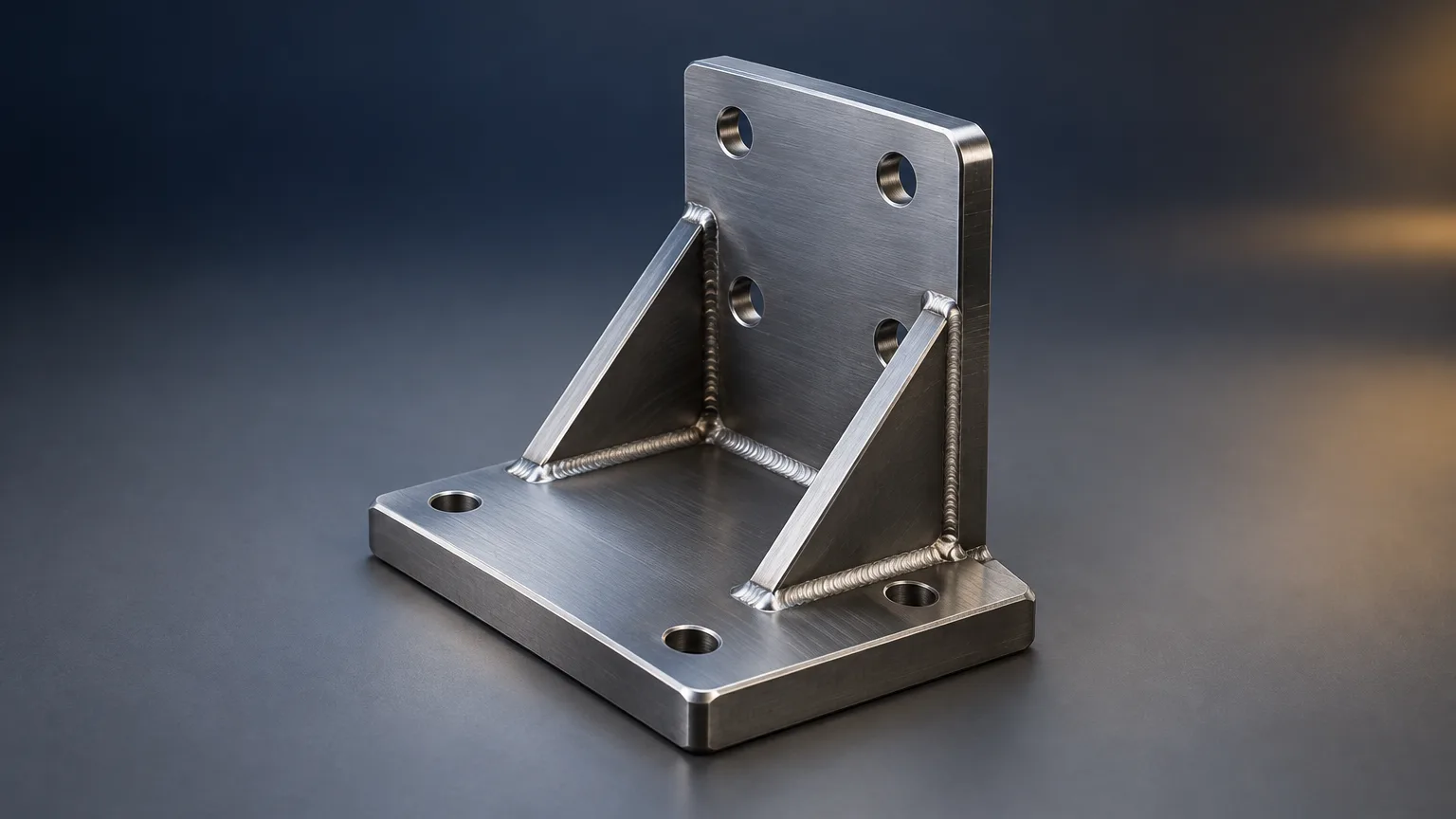
Steel fabrication is the cutting, forming, drilling, welding, joining, and finishing of steel into components or assemblies.
- Custom steel fabrication
- Industrial steel fabrication
- Structural steelwork
- Inspection managed by SR
- Quote in 5-7 working daysSend drawings, grades, quantities and finish
- Inspection managed by SRChecks against your drawings and spec
- One point of contactSR coordinates every supplier quote
Steel fabrication is the cutting, forming, drilling, welding, joining, and finishing of steel into components or assemblies. Custom steel fabrication follows project drawings, material grades, and tolerances. SR is a manufacturing broker: it collects quotes from a vetted supplier network, manages quality and inspection, and delivers finished steelwork without owning factories or machines.
What steel fabrication services are and when to use them
Steel fabrication is the cutting, forming, drilling, welding, joining, and finishing of steel to produce components or assemblies. Custom steel fabrication adapts these operations to project drawings, specifications, material grades, and required tolerances.
Industrial steel fabrication suits buyers who need structural members, frames, platforms, tanks, or replacement steelwork built to a defined drawing set rather than bought from a catalog. Use it when geometry, connection details, or material grade are project-specific.
Who this service is for
- Engineers specifying structural or equipment steelwork to a drawing set and governing standard.
- Procurement managers consolidating multiple fabricated items under one purchase.
- Founders and product teams moving a welded assembly from prototype into repeat production.
- Maintenance and plant teams needing repair, modification, or replacement steelwork.
When to use it
- The part is cut, formed, or joined from plate, bar, tube, or structural sections.
- Connections are welded or bolted and must follow a weld or bolting specification.
- Tolerances are functional rather than precision-machined.
- A finish such as blast cleaning, painting, or galvanizing is required.
Steel fabrication process steps
The steel fabrication process runs from drawing review to inspected delivery, and each step releases the next. The same routing applies to steelwork fabrications and to miscellaneous metals such as stairs and handrails.
- 1. Drawing and specification review Review drawings, revisions, material grades, weld symbols, and inspection points. Confirm the governing standard, finish, and hold points before quoting.
- 2. Material selection and sourcing Select the grade and section from the drawing set, then confirm availability. Grade, thickness, section size, and availability drive cost and schedule.
- 3. CNC cutting Laser, plasma, oxyfuel, or saw cutting. Repeatability and nesting efficiency are the main advantages; heat-affected zones and thickness limits vary by method.
- 4. Forming Press-braking, rolling, bending, or shaping. Control springback, tooling limits, and minimum bend radii for accurate repeat production.
- 5. Machining and drilling Mills, lathes, drill lines, or magnetic drills produce precise holes and interfaces. This adds cost and setup time, so specify it only where function requires it.
- 6. Welding and bolting SMAW, GMAW, FCAW, GTAW, or SAW for permanent joints; shop or field bolting where serviceability matters. Welding brings distortion, residual stress, and inspection requirements.
- 7. Surface finishing Blast cleaning, painting, galvanizing, or coating. Surface preparation, masking, and environmental controls add cost.
- 8. Inspection and delivery Dimensional checks, weld inspection where specified, and documentation review before packing and freight.
Steel fabrication materials and finishes
Steel fabrication materials and finishes are chosen by the governing standard and the required strength, not by preference. The table lists common structural grades with their specified properties.
| Material | Grade | Properties | Typical uses |
|---|---|---|---|
| Carbon structural steel | ASTM A36 | Minimum yield strength 36 ksi (250 MPa); tensile strength 58–80 ksi (400–550 MPa). | Plates, bars, angles, channels, general structural members. |
| HSLA structural steel | ASTM A572 Grade 50 | Minimum yield strength 50 ksi (345 MPa); minimum tensile strength 65 ksi (450 MPa). | Structural plates, shapes, bars, and higher-strength members. |
| Structural tubing | ASTM A500 Grade B | Round HSS: Fy 42 ksi (290 MPa), Fu 58 ksi (400 MPa); rectangular HSS: Fy 46 ksi (315 MPa), Fu 58 ksi (400 MPa). | Round, square, and rectangular hollow structural sections. |
Finishes
- Blast cleaning to remove mill scale and prepare the surface for coating.
- Painting for appearance and moderate corrosion protection; masking and cure time add cost.
- Galvanizing for long-term corrosion protection, subject to part size and bath availability.
- Coating systems specified by exposure, temperature, and maintenance access.
Steel fabrication specifications and tolerances
Steel fabrication tolerances should come from the governing structural or product standard, with tighter values only where a functional interface demands them. Supplier-reported cutting, hole-pitch, and length tolerances are not universal, so confirm them with the supplier for your project.
| Parameter | Typical range | Standard or source |
|---|---|---|
| Material yield strength | 36–65 ksi (250–450 MPa), grade-dependent | ASTM grades summarized by AISC-related data. |
| Material tensile strength | 58–80 ksi (400–550 MPa), grade-dependent | ASTM A36, A572, and A500 data. |
| Cutting tolerance | Set by the drawing and governing standard; confirm supplier capability. | Supplier-reported values are not universal industry requirements. |
| Hole pitch accuracy | Set by the drawing; confirm drilling capability with the supplier. | Supplier-reported values are not universal industry requirements. |
| Member length tolerance | Set by the project standard; confirm with the supplier for long members. | Supplier summaries referencing AISC; applicability unverified. |
| Camber or sweep | L/1000 reported by one source; project standard governs. | Supplier summary; applicability unverified. |
Lead time is typically driven by material availability, engineering approval, shop capacity, weld complexity, coating queues, inspection, and freight. Size limits depend on section availability, cutting method, and coating bath dimensions, so confirm the largest member at quote stage.
Design tips that lower steel fabrication cost
Most cost sits in material yield, weld volume, and finishing. These design choices reduce all three without weakening the part.
- Standardize grades and sections across the package so material can be bought and nested together.
- Design for nesting: group parts by thickness and grade to improve material yield.
- Use the coarsest tolerance that still works, and reserve tight tolerances for functional interfaces.
- Reduce weld volume: fewer, longer welds cost less than many short ones and distort less.
- Specify weld size and type from the governing code rather than over-welding by default.
- Allow for springback and minimum bend radii in formed parts to avoid rework.
- Choose the finish early; galvanizing and multi-coat paint systems change handling and schedule.
- Keep hole patterns consistent so drilling setups are reused across parts.
Typical industrial steel fabrication applications
Industrial steel fabrication covers structures, equipment, and replacement steelwork across several sectors. The examples below are typical part families, not a limit on scope.
Structures and frames
- Bridges, building components, and industrial structures
- Platforms, walkways, and support frames
- Base plates, gussets, and connection assemblies
Equipment and process
- Tanks, hoppers, chutes, and process equipment
- Machine frames and guarding
- Ducting and material-handling components
Industries served
- Automotive and mobility equipment, including fixtures and line-side steelwork.
- Construction and infrastructure, including structural and building components.
- Process and heavy industry, including tanks, hoppers, and chutes.
- Plant maintenance, including repair, modification, and replacement steelwork.
What drives steel fabrication cost
Cost is driven by material, processing time, and quality requirements rather than a single rate. No universal price ranges apply, because costs vary by region, volume, material, labor, and specifications.
- Steel grade, thickness, section size, and material availability.
- Part quantity, nesting efficiency, and material yield.
- Cutting method and thickness limits, including heat-affected zone control.
- Weld volume, joint access, and required weld quality level.
- Machining and drilling for precise holes and interfaces.
- Surface preparation and finish system, including masking and cure time.
- Inspection scope, documentation, and traceability requirements.
- Freight, part size, and handling requirements.
Why order steel fabrication through SR
Ordering steel fabrication through SR gives you one point of contact for quoting, quality, and delivery. SR is a manufacturing broker: it does not own factories or machines, but collects quotes from a vetted supplier network, manages inspection, and delivers parts to your drawings.
- Vetted supplier network matched to your process, material, and volume.
- One contact for quoting, scheduling, and issue resolution.
- Quality and inspection managed against your drawings and specification.
- Quote turnaround of 5-7 working days once requirements are complete.
Send your drawing set to killol@sourcingrepository.com or use the quote form. SR is based at 201 SG Mall, Ahmedabad, and reviews each package before it goes to suppliers.
Have a drawing to quote?
Upload it with quantity and material to start a quote.
FAQ
Common questions
What should a fabrication RFQ include?
Include drawings, CAD files, quantity, material grade, dimensions, tolerances, weld requirements, finish, inspection plan, delivery location, and required certifications. A complete package lets suppliers quote the same scope, which makes comparison meaningful and reduces later revisions.
Which steel grade is most common?
ASTM A36 is widely used for general structural components. ASTM A572 Grade 50 and ASTM A500 tubing are common alternatives when higher strength or a specific section type is required. The governing drawing and standard decide the grade, not shop preference.
Can fabricators supply material certificates?
Many can provide mill test reports and traceability, but this must be stated in the purchase specification and verified against heat numbers. Ask for the documentation requirement in the RFQ so it is priced and scheduled rather than added later.
How are tolerances selected?
Start from the governing structural or product standard, then specify tighter tolerances only for functional interfaces and confirm supplier capability. Reported figures such as ±0.040 in. (±1.0 mm) cutting tolerance come from individual suppliers and are not universal requirements.
Related resources
Keep reading
Ready when you are
Send your steel fabrication drawings
Share drawings, grades, quantities, and finish requirements. SR reviews the package, collects quotes from vetted suppliers, and manages inspection through delivery.
Your files stay confidential. NDA available on request.