
Aftermarket & Replacement Parts
Aftermarket Auto Parts Manufacturing for Replacement and Service Programs
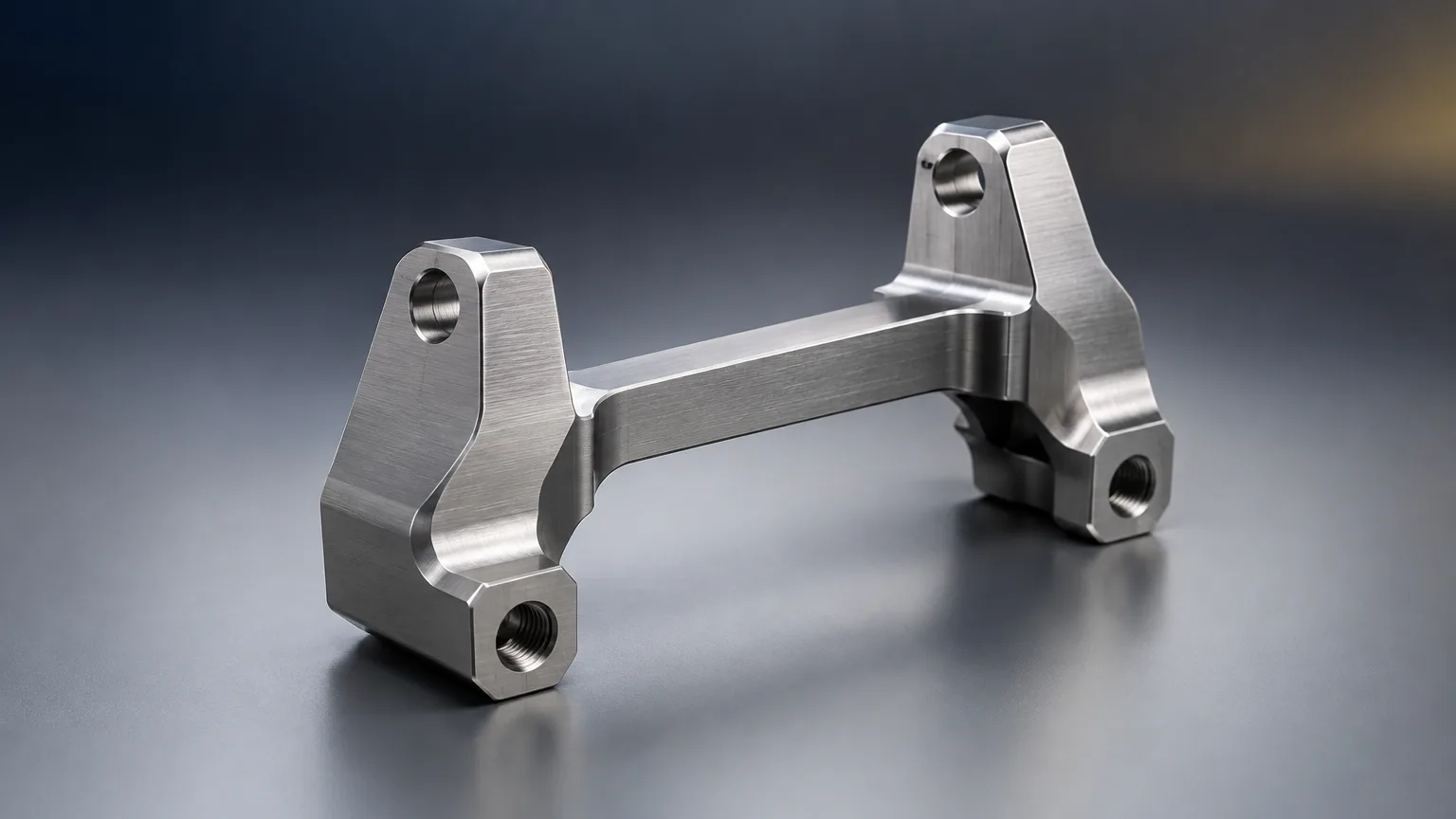
SR is a manufacturing broker for aftermarket auto parts. We collect quotes from a vetted supplier network, manage quality and inspection, and deliver parts to your dock. You keep the drawing and the approval authority.
- Replacement and service parts
- Low to mid volume
- PPAP and FAI support
- Quotes in 5-7 working days
- Quote turnaround5-7 working days from a complete RFQ package
- Quality documentsFAI, dimensional reports, PPAP evidence
- Vetted supplier networkProcess routes matched to your part
Aftermarket auto parts manufacturing is the production of replacement, service and accessory components for vehicles outside the original OEM program. SR brokers this work: it collects quotes from a vetted supplier network, manages quality and inspection, and delivers finished parts. Buyers send a drawing or sample, and SR returns a quote in 5-7 working days.
Who aftermarket auto parts manufacturing serves
Aftermarket auto parts manufacturing serves buyers who need replacement, service or accessory components outside a current OEM production program. These are usually small engineering and procurement teams that carry full responsibility for fit, function and liability, but do not have a captive machine shop.
- Aftermarket brands and distributors adding or refreshing a part number.
- Repair and service networks sourcing hard-to-find replacement components.
- Performance and specialty builders needing low-volume custom parts.
- Tier 2 and Tier 3 suppliers filling capacity gaps or overflow demand.
- Founders and product teams taking a vehicle accessory from prototype to sale.
The common thread is a defined part with a real requirement, and no interest in building a supply chain from scratch. If you have a drawing, a sample or a clear performance target, you are in scope.
Challenges in custom auto parts manufacturing
The hard part of custom auto parts manufacturing is rarely the machining itself. It is finding a custom auto parts manufacturer that will quote a modest quantity, hold the tolerance and document the work.
Aftermarket auto parts manufacturing is the production of replacement, service and performance parts for vehicles already on the road, usually by suppliers other than the original vehicle maker. It is often low-volume and custom.
What buyers run into
- Suppliers decline low-volume or one-off replacement parts.
- Quotes arrive without process assumptions, so they cannot be compared.
- Tolerances are quoted loosely and disputed at first article.
- Tooling cost and design lead time appear late.
- Inspection evidence is promised but not delivered with the shipment.
What it costs
- Weeks lost chasing suppliers instead of shipping parts.
- Rework and scrap on parts never capability-checked.
- Warranty exposure when traceability is missing.
- Emergency re-sourcing at premium pricing.
Process choice drives most of these outcomes in car parts manufacturing and vehicle parts manufacturing alike. CNC machining is precise and flexible for prototypes or low volumes, but material waste and cycle time can be high. Stamping is economical for high-volume sheet-metal parts but requires dedicated dies. Injection molding suits repeatable plastic parts, but tooling cost and design lead time can be substantial.
How SR helps with aftermarket auto parts manufacturing
SR is a manufacturing broker. We do not own factories or machines. We collect quotes from a vetted supplier network, manage quality and inspection, and deliver parts, so you deal with one technical contact instead of ten suppliers.
- Process routing: we match your part to the routes that fit its geometry, material and volume, from CNC machining and stamping to die casting, forging, injection molding and additive manufacturing.
- Comparable quotes: every quote is normalized to the same drawing revision, material specification, tolerance scheme and inspection scope.
- Supplier vetting: suppliers are screened against automotive quality expectations, including IATF 16949 and applicable customer-specific requirements where the program calls for it.
- Quality management: first article inspection, dimensional reports and PPAP evidence are tracked as deliverables, not promises.
- Delivery: parts are inspected and shipped to your schedule, with one point of contact for status.
Process: from RFQ to delivered aftermarket parts
Aftermarket auto parts manufacturing through SR runs from a complete RFQ package to inspected delivery, with a quote typically returned in 5-7 working days. Each step has a defined output.
- 1. Send the RFQ package Provide a drawing or 3D model, material and finish, annual and lot quantity, tolerance and GD&T callouts, inspection requirements and any customer-specific requirements. A sample can substitute for a drawing only if reverse engineering is agreed in writing.
- 2. Requirements review We confirm the drawing revision, datum scheme, critical features and approval level, and flag anything ambiguous before quoting. Missing tolerance or material data is resolved here, not after tooling is cut.
- 3. Process routing and quoting The part is routed to suitable suppliers and processes. Quotes are normalized to the same scope so you can compare cost, lead time and assumptions directly.
- 4. Supplier selection and planning You approve the supplier and route. Control plans, inspection criteria and the approval submission level are agreed before production starts.
- 5. First article and approval First article inspection and dimensional reporting are completed against the drawing. PPAP evidence is submitted at the level your customer requires, where applicable.
- 6. Production and in-process control Production runs under the agreed control plan, with SPC and traceability applied to the features that matter. Deviations are raised before shipment.
- 7. Final inspection and delivery Parts are inspected against the approved criteria, documented, packed and shipped to your schedule.
Quality documents for replacement and service parts
Quality documents are agreed at quoting and delivered with the parts. In aftermarket auto parts manufacturing, the right set depends on whether the part is a service replacement or feeds a customer-approved program.
| Document | What it covers | Typical use |
|---|---|---|
| First article inspection (FAI) | Full dimensional and visual verification of the first production part against the drawing | New part numbers, new tooling, new supplier |
| Dimensional inspection report | Measured values for specified features, with datum scheme and instrument notes | Every lot, or per control plan |
| Material and test certificates | Grade, heat or lot, and mechanical or hardness results where specified | Where the drawing calls out material certification |
| PPAP submission | Production readiness evidence at the submission level the customer requires | Customer-approved automotive programs |
| Control plan and process audit records | How the process is controlled, monitored and audited | Programs under IATF 16949 or customer-specific requirements |
| Traceability records | Link from raw material lot to finished part and shipment | Recall, warranty and field-issue investigation |
PPAP is an automotive submission process used to demonstrate that production processes can consistently meet approved requirements; exact customer submission rules vary. Automotive component manufacturers that supply a Tier 1 supplier, meaning a supplier that delivers directly to the vehicle maker, may face that supplier's customer-specific requirements for automotive components.
IATF 16949 defines a quality-management system, not a guarantee of part conformity. Conformity still depends on specifications, controls, inspection and customer requirements.
Volumes and pricing approach for custom auto parts
There is no universal price for a custom auto part. Cost is driven by geometry, material, process, tooling, quantity, tolerance, finishing, inspection and logistics, and the same part can price very differently across two valid routes.
- Low volume and prototypes: CNC machining and additive manufacturing usually avoid tooling investment, at a higher piece price.
- Mid volume: die casting and forging become viable once tooling is amortized, and often reduce piece cost and lead time.
- High volume: stamping and injection molding deliver the lowest piece cost, but require dedicated tooling and longer design lead time.
- Tolerance and inspection: tighter features and heavier documentation raise cost on every route.
- Total cost: compare tooling, piece price, freight, inspection and the cost of a failed lot, not piece price alone.
Send annual and lot quantities with the RFQ. We quote the routes that fit your volume band and show the assumptions behind each one, so you can trade piece price against tooling and lead time deliberately.
Starter program for aftermarket auto parts manufacturing
Start with one part number and a defined approval scope. A small first order proves the drawing, the process route and the documentation before you commit volume.
- Pick one representative part, ideally mid-complexity and with at least one tight feature.
- Send the drawing or model, material and finish specification, and target quantity.
- Agree the inspection scope and the approval level up front, including whether PPAP evidence is required.
- Run a first article and review the dimensional report against the drawing.
- Approve the part, then scale quantity or add part numbers to the same route.
Get started with your aftermarket parts RFQ
Send your drawing or model, material and finish specification, quantities and inspection requirements to killol@sourcingrepository.com, or submit the RFQ form. Quotes are returned in 5-7 working days.
Have a drawing to quote?
Upload it with quantity and material to start a quote.
FAQ
Common questions
How much do custom auto parts cost?
No reliable universal price exists. Cost depends on geometry, material, process, tooling, quantity, tolerance, finishing, inspection and logistics. Two valid process routes for the same part can price very differently, so compare tooling, piece price and inspection together rather than piece price alone.
Does IATF 16949 certification guarantee part quality?
No. IATF 16949 defines a quality-management system for automotive production, service and accessory parts. Part conformity still depends on the drawing, material specification, process controls, inspection and applicable customer-specific requirements. Certification is a starting point for supplier vetting, not proof of a conforming part.
What is PPAP?
PPAP is an automotive submission process used to demonstrate that a production process can consistently meet approved requirements. The submission level and required evidence vary by customer, so the level is agreed before production starts. PPAP applies mainly to customer-approved programs, not every aftermarket replacement part.
Can a supplier make a part without a drawing?
A supplier may reverse-engineer a sample or develop a model, but requirements, ownership, tolerances, materials and approval responsibilities must be agreed in writing first. Without that agreement, tolerance and liability disputes are likely at first article. A drawing or 3D model is the safer starting point.
Related resources
Keep reading
Ready when you are
Send your aftermarket part for quoting
Share your drawing or model, material and finish specification, quantities and inspection requirements. SR returns normalized quotes from vetted suppliers in 5-7 working days.
Your files stay confidential. NDA available on request.