
Metal Stamping Services
Metal Stamping Services for Custom Metal Stampings
Sourcing Repository collects quotes from a vetted supplier network for precision metal stamping, prototype stamping and production runs. Send drawings and volumes; we manage quality and inspection.
- Custom metal stampings
- Precision metal stamping
- Prototype to production
- Automotive first
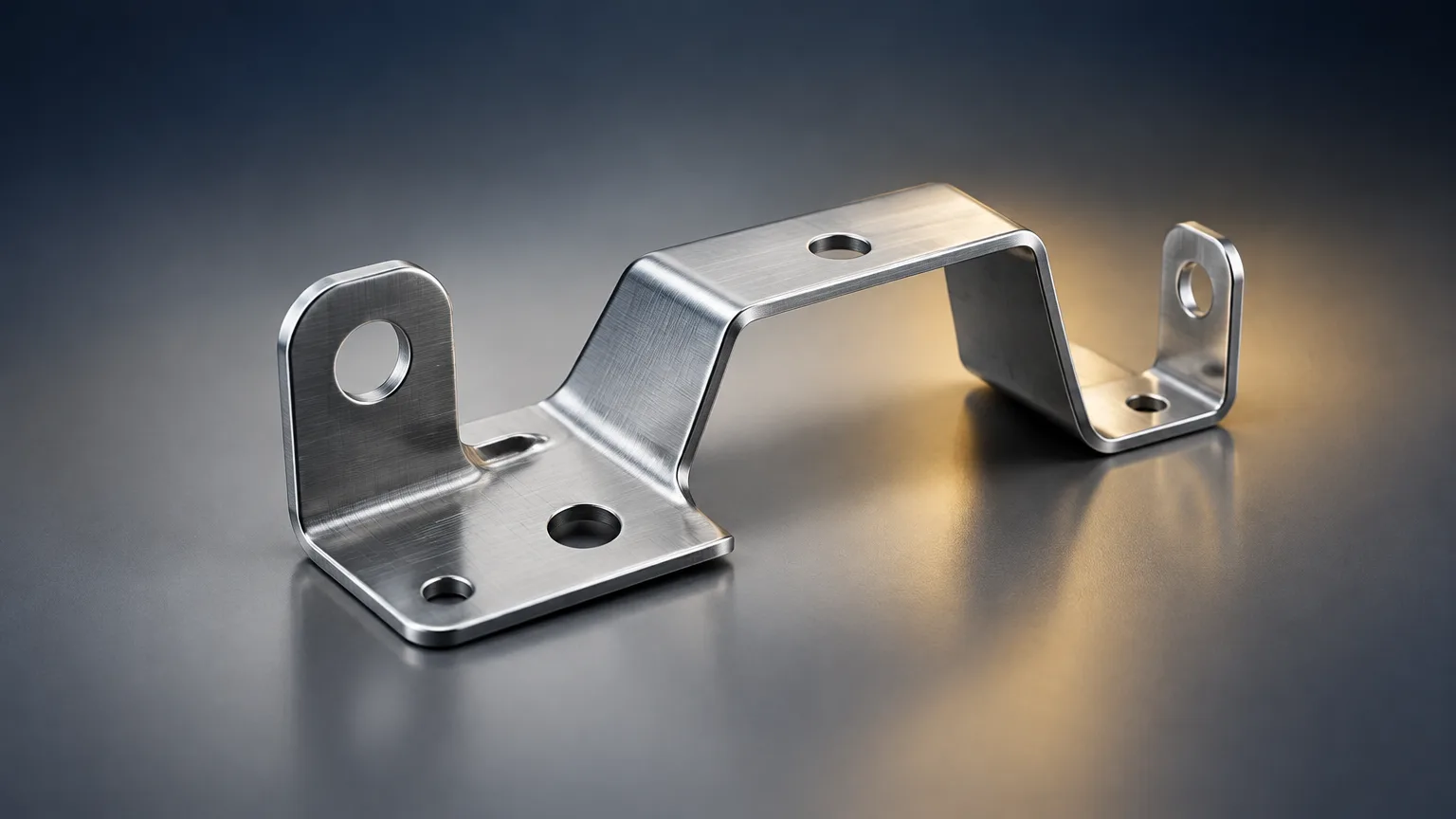
- Drawing reviewTolerances, radii and hole rules checked
- Inspection managedFirst article and in-process checks
- Quote in 5-7 daysOne contact for the whole project
Metal stamping services cover press-based cutting and forming of sheet or coil stock with dies. Sourcing Repository is a manufacturing broker: it collects quotes from a vetted supplier network, manages quality and inspection, and delivers custom metal stampings and precision metal stamping parts without owning factories or machines.
What metal stamping services are and when to use them
Metal stamping is a press-based cold-forming process that cuts and forms sheet or coil stock with dies. Precision metal stamping uses controlled tooling, fixturing, inspection and process capability to produce repeatable parts; achievable tolerances depend on material, thickness, geometry, tooling and operation.
The service fits engineers, procurement managers and founders who need custom metal stampings for OEM assemblies, from simple blanks to high-volume progressive parts. Use it when a part is flat or formed from sheet, volumes justify tooling, and repeatability matters more than one-off flexibility.
When stamping is the right route
- Blanking and piercing flat metal parts with consistent edges.
- Progressive production of high-volume parts where tooling can be amortized.
- Prototype metal stamping and low-volume validation before production tooling.
- Custom metal stampings for automotive, appliance, medical, electronics and industrial assemblies.
- Parts needing secondary operations such as forming, finishing or inspection in one supply chain.
Metal stamping process steps
Metal stamping services are press-based cold-forming work in which a supplier cuts and forms sheet or coil stock with dies, from tooling through inspection and finishing. Buyers use them for blanking, piercing, progressive high-volume parts and prototype runs.
- 1. Drawing and DFM review Drawings, 3D CAD, material grade and temper, thickness, volumes and tolerances are reviewed. The supplier flags features that need tighter tooling or extra operations.
- 2. Process route selection The supplier chooses single-operation or compound die, progressive die, deep drawing, fineblanking or prototype stamping based on geometry, volume and tolerance.
- 3. Tooling design and build Die design follows strip layout, station sequence, bend allowance and scrap control. Progressive tooling costs more and takes longer to design than simple blanking dies.
- 4. First article and validation First parts are measured against the drawing. Prototype tooling may not replicate final progressive-die behavior, so validation criteria are agreed up front.
- 5. Production stamping Coil or sheet feeds the press. Progressive dies complete multiple operations across stations for repeatable high-volume output.
- 6. Secondary operations and finishing Deburring, tapping, welding, plating, coating or assembly are added as the drawing requires.
- 7. Inspection and delivery Dimensional and visual inspection, documentation and packaging are completed before shipment.
Materials and finishes for custom metal stampings
Material choice drives formability, springback, corrosion resistance and cost. Specify grade and temper on the RFQ, and confirm unverified grades against the applicable sheet standard before tooling is cut.
| Material | Grade | Properties | Typical uses |
|---|---|---|---|
| Low-carbon steel | ASTM/AISI grade unverified; specify applicable sheet standard and temper | Good formability, weldability and relatively low material cost. | Brackets, clips, covers, appliance and automotive stampings. |
| Stainless steel | 304 or 316; source grade certification required | Corrosion resistance; higher work hardening and forming force than mild steel. | Medical, food-processing, chemical, appliance and corrosion-exposed parts. |
| Aluminum | 5052 or 6061; temper must be specified | Low density and corrosion resistance; springback and bend-radius control are important. | Lightweight housings, brackets, electronics, transportation and aerospace parts. |
| Copper or brass | Grade unverified; specify alloy and temper | High electrical or thermal conductivity; brass offers good machinability and formability. | Terminals, contacts, connectors, springs and conductive shields. |
Common finishes
- Deburring and edge conditioning for handling and fit.
- Zinc, nickel or tin plating for corrosion resistance and conductivity.
- Powder coating or painting for appearance and durability.
- Passivation for stainless steel parts.
- Heat treatment or stress relief where the drawing requires it.
Metal stamping specifications and tolerances
Tolerances are not universal. Typical conventional tolerance is ±0.005 in (±0.127 mm); specialized precision is approximately ±0.001 in (±0.025 mm) and needs suitable tooling and process control. Confirm capability before releasing a drawing.
| Parameter | Typical range | Source or note |
|---|---|---|
| Typical conventional dimensional tolerance | ±0.005 in (±0.127 mm) | Fictiv metal stamping guide. |
| Specialized precision tolerance | Approximately ±0.001 in (±0.025 mm) | Fictiv; requires suitable tooling and process control. |
| Hole diameter | About 1.0-1.2x material thickness; verify by grade, tool and feature function | MFGABC and Eigen Engineering guides. |
| Hole-to-edge distance | About 1.5x material thickness minimum | MFGABC guide. |
| Inside bend radius | About 0.5-1.0x thickness for mild steel; 1.5-2.5x for aluminum | MFGABC guide; actual value depends on alloy and temper. |
| Flatness | Avoid tighter than 0.003 in/in unless functionally required | Eigen Engineering guide. |
| Burr height | Example guide values: 0.004 in (0.10 mm) maximum conventional; 0.002 in (0.05 mm) fineblanked | MFGABC guide. |
Design tips that lower metal stamping cost
Most cost is locked in at the drawing stage, and these DFM rules cut tooling complexity, scrap and inspection burden on metal stamping services without changing function.
- Specify tolerances only where functional; overly tight tolerances raise tooling, inspection and production cost.
- Keep hole diameter at about 1.0-1.2x material thickness and hole-to-edge distance at about 1.5x thickness minimum.
- Use inside bend radius of about 0.5-1.0x thickness for mild steel and 1.5-2.5x for aluminum; confirm by alloy and temper.
- Avoid flatness tighter than about 0.003 in/in unless the function requires it.
- Keep the strip layout consistent so progressive stations stay simple and scrap stays low.
- Avoid sharp internal corners and narrow slots that need extra tooling or secondary operations.
- Confirm whether prototype tooling represents final production geometry before committing to hard tooling.
Typical applications for metal stamping parts
Metal stamping parts appear wherever thin-sheet components are needed in volume. Automotive is the largest user, followed by appliance, medical, electronics and general industrial assemblies.
| Industry | Example parts |
|---|---|
| Automotive | Brackets, clips, covers, structural reinforcements, connector terminals. |
| Appliance | Panels, housings, mounting plates, spring contacts. |
| Medical | Instrument housings, stainless brackets, shielding, disposable device components. |
| Electronics | Terminals, contacts, connectors, EMI shields, heat sinks. |
| Industrial | Mounting hardware, enclosures, wear plates, machine guards. |
Deep drawing produces cups, shells and housings from blanks. Fineblanking improves edge quality and dimensional control for functional profiles, but requires specialized presses and tooling and generally costs more than conventional blanking.
What drives metal stamping cost
Metal stamping cost is driven by material, part geometry, tolerance, tool complexity, volume, scrap, secondary operations, inspection and tooling amortization. No single price applies across parts.
Costs that scale with volume
- Material and scrap rate
- Press time and production rate
- Secondary operations and finishing
- Inspection and packaging
One-time and fixed costs
- Die design and build
- First article and validation
- Fixturing and gauges
- Tooling maintenance over the program
Progressive-die stamping has higher tooling cost and longer design lead time, but is efficient and repeatable at high volume. Prototype stamping has lower commitment and can use soft tooling, but usually runs slower and may not match final progressive-die behavior.
Why order metal stamping services through Sourcing Repository
Sourcing Repository sources metal stamping services as a manufacturing broker; it does not own factories or machines. It collects quotes from a vetted supplier network, manages quality and inspection, and delivers parts to the agreed location.
- One contact for RFQ, tooling, production, inspection and delivery.
- Vetted suppliers matched to your material, volume and tolerance needs.
- Quality and inspection managed on your behalf, including first article and in-process checks.
- Quote turnaround of typically 5-7 working days from a complete RFQ.
Have a drawing to quote?
Upload it with quantity and material to start a quote.
FAQ
Common questions
What determines metal stamping cost?
The main drivers are material, part geometry, tolerance, tool complexity, volume, press capacity, scrap, secondary operations, inspection and tooling amortization. Progressive dies cost more up front but reduce unit cost at high volume.
What is precision metal stamping?
Precision metal stamping is controlled stamping for tighter or more repeatable dimensions, often using specialized tooling, fineblanking, in-process controls and documented inspection. No universal tolerance applies; capability depends on material, thickness, geometry and tooling.
Can a supplier make prototype metal stampings?
Yes. Suppliers may use soft, short-run, compound or modified tooling. Confirm whether prototype geometry, material behavior and tolerances will represent final production tooling before you commit to hard dies.
What information should an RFQ include?
Provide controlled drawings, 3D CAD, material grade and temper, thickness, annual and release volumes, tolerances, surface finish, secondary operations, inspection requirements, packaging and delivery location. Complete inputs shorten quote turnaround.
Related resources
Keep reading
Ready when you are
Get metal stamping quotes from vetted suppliers
Send your drawings, material, tolerances and volumes. Sourcing Repository returns supplier quotes in 5-7 working days and manages inspection through delivery.
Your files stay confidential. NDA available on request.