
CNC Machining Guide
Processes, materials, tolerances and cost for milled and turned parts.
Pillar guide · ~11 min read
Resources
Design for Manufacturing (DFM) is the practice of designing parts for consistent, economical production. This hub collects SR's DFM guides, checklists and process comparisons for engineers, procurement managers.
Start here
This hub is a working library for DFM manufacturing: how to choose a process, set tolerances that match function, and run a design review before tooling or production release. It is written for engineers, procurement managers and founders sourcing custom parts, with automotive examples first.
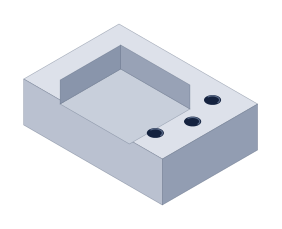
Processes, materials, tolerances and cost for milled and turned parts.
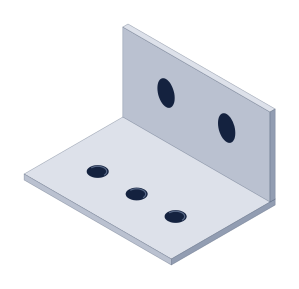
Cutting, bending and welding sheet metal, with design rules and cost drivers.
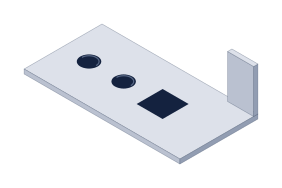
Progressive, transfer and deep-draw stamping, and when volume makes it pay off.
Plain definitions for process, material and tolerance terms.
Browse
If you are new to DFM manufacturing, read these pages in order. Each one answers a question buyers ask before releasing a design for quotation.
Processes, materials, tolerances and cost for milled and turned parts.
Cutting, bending and welding sheet metal, with design rules and cost drivers.
Progressive, transfer and deep-draw stamping, and when volume makes it pay off.
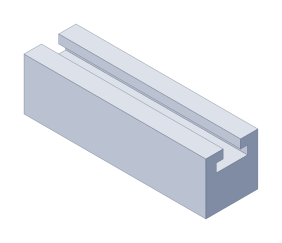
Extrusion profiles, cutting, machining and finishing for frames and housings.
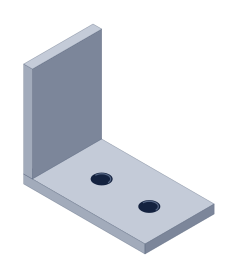
Design choices that lower machining, forming and assembly cost before the first quote.
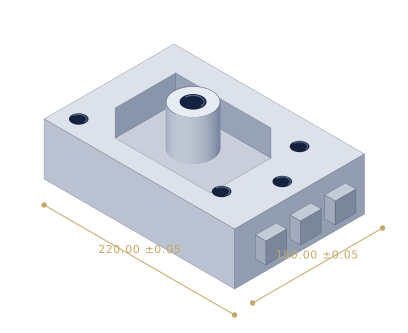
How to write an RFQ, compare suppliers and manage an order from prototype to production.
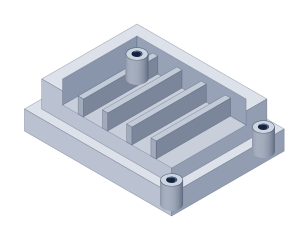
High-pressure die casting in aluminum and zinc: tooling, porosity and secondary machining.
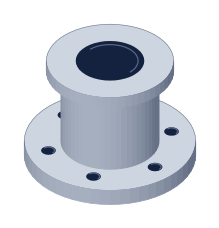
Lost-wax casting for complex steel and stainless shapes near net size.
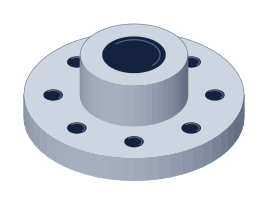
Open and closed die forging, grain flow, and when forging beats casting or machining.
Metal injection molding for small, complex steel parts in higher volumes.
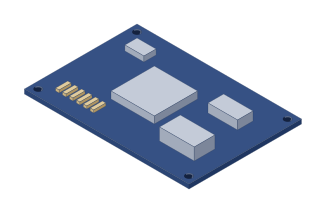
PCB assembly and electronics manufacturing, and what to include in a build package.
Anodizing, plating, powder coat and heat treatment, with the specs that affect fit.
Choosing alloys and plastics by strength, weight, machinability and cost.
The basics of die casting, the alloys used and typical part types.
The steps from flat pattern to finished bent part, in order.
Series and sizes of T-slot aluminum extrusion and when to use each.
What CNC machining is, the main processes and the materials it cuts.
Progressive and transfer dies compared, and the parts each one suits.
What investment casting is and the parts it makes well.
How continuous roll forming shapes long profiles from coil.
SMT and through-hole assembly, step by step.
From billet to die to cut length: how aluminum extrusions are made.
Fasteners and brackets for joining T-slot aluminum extrusions.
Common steel types, forms and uses in fabricated and machined parts.
What metal injection molding is and the part sizes it suits.
Annealing, hardening and tempering, and how each changes part properties.
Send us the drawing. We review it for manufacturability and recommend the process.
Tools and downloads
Topics are grouped by the decision you are making. Start with the group that matches your current design stage.
Keep reading
Use these tools alongside the guides. They are written to be filled in during design development, not after drawings are released.
Ready when you are
Send drawings, material, tolerances and volume. SR collects quotes from a vetted supplier network and manages quality and inspection through delivery.
Your files stay confidential. NDA available on request.