
Metal Injection Molding Services
Metal Injection Molding (MIM) Services
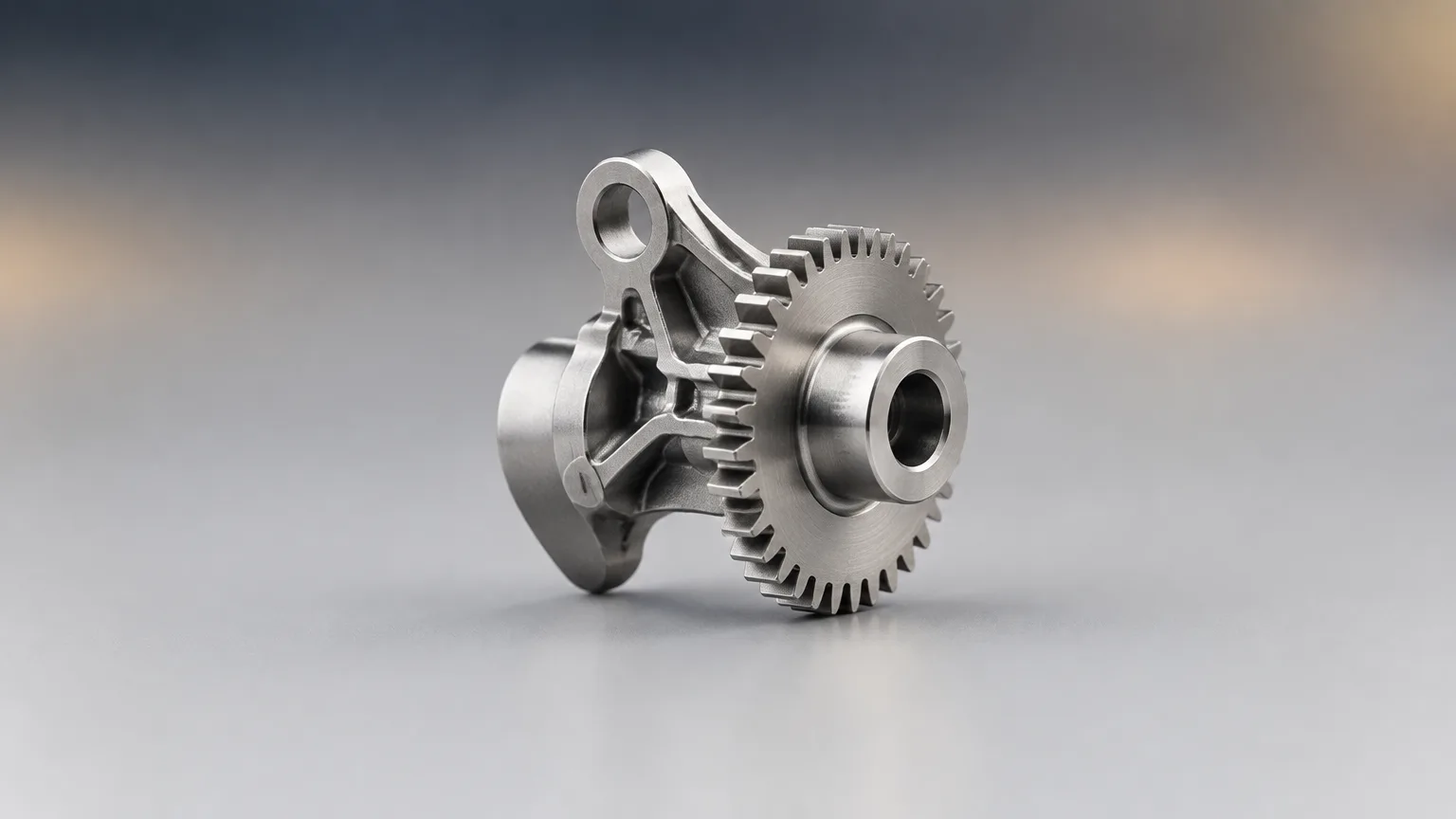
Metal injection molding services for complex, high-volume metal parts. SR collects quotes from a vetted supplier network, manages inspection, and delivers finished parts to your drawing.
- ±0.3% as-sintered
- Stainless and titanium
- Inspection managed
- Vetted supplier networkQuotes sourced from qualified MIM producers
- Inspection managedCritical features verified before shipment
- Quote in 5-7 daysSend drawings, volume, and material grade
Metal injection molding is a powder-metallurgy process that mixes fine metal powder with a polymer or wax binder, injection-molds the feedstock into a tool, removes the binder, and sinters the part in a controlled atmosphere. It suits complex small metal components produced in medium-to-high volumes, where repeatability matters and machining waste is high.
What metal injection molding is and when to use it
Metal injection molding (MIM) is a powder-metallurgy process that combines fine metal powder with a polymer or wax binder, injection-molds the feedstock, removes the binder, and sinters the molded part in a controlled atmosphere. It produces complex, high-volume metal components with near-net-shape geometry and properties approaching wrought materials.
MIM fits engineers and procurement teams who need complex small metal parts in high production volumes, applications requiring repeatability with reduced machining, and components where conventional machining creates high material waste.
Choose MIM when geometry is difficult to machine, annual volumes justify tooling, and near-net shape reduces finishing. Choose machining instead for prototypes, very low quantities, or extremely tight localized tolerances. Choose press-and-sinter powder metallurgy when parts are simple shapes without undercuts.
MIM process steps from feedstock to finished part
Metal injection molding is a powder-metallurgy process that mixes fine metal powder with a polymer or wax binder, injection-molds the feedstock, removes the binder, and sinters the part in a controlled atmosphere to make complex, near-net-shape metal components.
- 1. Feedstock preparation Fine metal powder, typically less than 0.0008 in (20 µm), is mixed with a polymer or wax binder into a uniform feedstock.
- 2. Injection molding The feedstock is injected into a mold cavity. The green part is molded oversize to allow for sintering shrinkage.
- 3. Binder removal (debinding) Binder is removed by a conventional solvent or thermal route, a catalytic route, or staged molding, partial debinding and furnace debinding. Controlled debinding reduces the risk of cracking or distortion.
- 4. Sintering The part is sintered in a controlled atmosphere. Particles bond and the part densifies, reaching properties approaching wrought materials.
- 5. Optional secondary operations Machining, repressing, heat treatment, HIP, coating, or finishing can improve selected features. These add cost, lead time, handling, and possible dimensional variation.
- 6. Inspection and documentation Critical dimensions and material lot traceability are verified from incoming powder through final inspection, following the inspection plan agreed at quote.
MIM materials and finishes
Common metal injection molding materials include stainless steels, tool and alloy steels, and titanium grades. MPIF Standard 35-MIM, 2025 covers material designations and engineering property data; the 2025 edition added titanium and other updates.
| Material | Grade | Properties | Typical uses |
|---|---|---|---|
| MIM 17-4 PH | 17-4 precipitation-hardening stainless steel | High strength and corrosion resistance; exact MIM values depend on condition and standard. | Structural, medical, industrial, and consumer components. |
| MIM 316L | 316L stainless steel | Corrosion-resistant austenitic stainless steel; exact MIM values are supplier- and condition-dependent. | Medical, laboratory, marine, and corrosion-exposed components. |
| MIM 420 | 420 stainless steel | Heat-treatable martensitic stainless steel; 2025 MPIF coverage includes HIP'd and heat-treated MIM-420. | Wear-resistant tools, mechanisms, and industrial parts. |
| MIM CpTi | Commercially pure titanium | Low-density titanium with corrosion resistance; MIM material standard added in 2025. | Medical, aerospace, and lightweight corrosion-resistant parts. |
| MIM Ti-6Al-4V | Titanium alloy Ti-6Al-4V | High specific strength and corrosion resistance; MIM material standard added in 2025. | Medical, aerospace, and lightweight structural parts. |
| MIM carbon and alloy steels | Specific grades unverified | Can provide strength, hardness, or wear resistance depending on alloy and heat treatment. | Automotive, industrial, and mechanism components. |
Finishes and secondary operations on MIM parts
As-sintered surfaces are typical unless a secondary operation is specified. Repressing can improve tolerance to approximately ±0.1% where the geometry suits it, but it is not a universal specification.
MIM specifications and tolerances
As-sintered dimensional tolerance in metal injection molding is typically about ±0.3% of nominal, for example 1.000 in ±0.003 in (25.4 mm ±0.076 mm). Actual capability depends on geometry, material, tooling, and process control, so confirm tolerances with the supplier before tooling is cut.
| Parameter | Typical range | Standard or source |
|---|---|---|
| Metal powder particle size | Typically less than 0.0008 in (20 µm) | MPIF process description. |
| As-sintered dimensional tolerance | Approximately ±0.3% of nominal; example 1.000 in ±0.003 in (25.4 mm ±0.076 mm) | MIM design-guide sources; supplier capability varies. |
| Repressed dimensional tolerance | Approximately ±0.1% where repressing is suitable | Supplier design guide; not a universal specification. |
| Minimum wall thickness | Approximately 0.060 in (1.5 mm) | Supplier design guide; geometry and material dependent. |
| Minimum hole diameter | Typically about 0.060 in (1.5 mm) | Supplier design guide; tooling and aspect ratio dependent. |
| Blind-hole draft | Approximately 2 degrees where required | Supplier design guide. |
| Length-to-wall-thickness ratio | Up to approximately 18:1 in one supplier guide | Supplier design guide; unverified as an industry-wide limit. |
Lead time
MIM lead time divides into tooling and first-article approval, then production runs. Tooling is the longer phase because mold design, manufacture, and process qualification must finish before the first parts can be inspected. Repeat runs are shorter and track order volume. Cycle times, tooling costs, and piece prices must come from a live supplier quote.
MIM design tips that lower part cost
Most MIM cost sits in tooling and in the operations added after sintering. Designing to remove those operations has more effect on price than negotiating piece rates.
- Keep walls uniform and above approximately 0.060 in [1.5 mm]; thin or abrupt wall changes cause distortion and scrap.
- Avoid specifying tolerances tighter than about ±0.3% of nominal on every dimension. Reserve tight tolerance for the few critical features.
- Design holes at or above approximately 0.060 in [1.5 mm] diameter and keep hole depth within a workable aspect ratio to avoid core pin breakage.
- Add approximately 2 degrees draft to blind holes and deep features where the design allows, so parts release without damage.
- Use radii and fillets instead of sharp internal corners; they improve powder flow and reduce stress during debinding and sintering.
- Consolidate an assembly into one molded part where possible. MIM's advantage is complex geometry formed in the tool rather than in secondary machining.
- Place secondary operations such as machining, heat treatment, or coating only on features that genuinely need them, since each adds cost, handling, and lead time.
Typical MIM applications and industries
MIM suits small, complex, load-bearing or precision components produced in volume. Example parts include firearm and trigger components, surgical instruments, orthodontic brackets, implant components, lock mechanisms, sensor housings, and small automotive and industrial mechanism parts.
- Automotive: small mechanism components, sensor and actuator parts, fuel and fluid system fittings, and interior hardware.
- Medical and dental: surgical instrument parts, orthodontic brackets, and implant components where grade and traceability are specified.
- Aerospace and defense: lightweight structural and mechanism parts in titanium and stainless grades.
- Industrial and consumer: lock mechanisms, power tool parts, electronics housings, and hardware.
What drives MIM part cost
MIM part cost is driven by tooling, material, process time, and post-sintering operations. No reliable price can be given without a drawing and an annual volume.
- Tooling: mold design, tooling steel, cavity count, slides, and service life. Cavity count is set against annual volume, so volume and tooling are quoted together.
- Material: powder grade and alloy family. Titanium and specialty alloys cost more than standard stainless steels.
- Part geometry: size, wall thickness, feature count, undercuts, and draft all affect tool complexity and cycle time.
- Volume: higher annual quantities amortize tooling across more parts and can justify multi-cavity molds.
- Secondary operations: repressing, machining, heat treatment, HIP, coating, and finishing each add cost and handling steps.
- Inspection and documentation: tighter inspection plans, critical-feature verification, and traceability requirements add cost.
- Process yield: debinding and sintering are where cracking, distortion, and dimensional variation appear. Control here determines scrap rate and effective price.
Send CAD, drawing tolerances, material grade, annual volume, and critical-feature definitions to receive a comparable quote. SR consolidates supplier pricing into a single response.
Why order MIM parts through SR
Ordering metal injection molding (MIM) parts through SR gives you one point of contact for quotes, inspection, and delivery. SR is a manufacturing broker and does not own factories or machines. It collects quotes from a vetted supplier network, manages quality and inspection, and delivers parts to your drawing.
What SR does
- Matches your part to suppliers qualified for the material and process.
- Collects and normalizes quotes so you can compare like for like.
- Manages inspection of critical features before shipment.
- Acts as one point of contact from RFQ to delivery.
What you provide
- CAD model and a fully dimensioned drawing.
- Annual volume and expected order pattern.
- Material grade and any heat treatment or finish.
- Critical features, inspection plan, and required documentation.
Quotes are returned in 5-7 working days. Send drawings and volume to killol@sourcingrepository.com or use the quote form, and SR will route the request to suitable suppliers in the network.
Have a drawing to quote?
Upload it with quantity and material to start a quote.
FAQ
Common questions
What is metal injection molding used for?
Metal injection molding is used for small, complex metal parts made in medium-to-high volumes where repeatability matters and machining waste is high. Typical examples are surgical instrument parts, orthodontic brackets, lock mechanisms, sensor housings, and small automotive mechanism components.
How does MIM compare with machining?
MIM forms complex geometry in a mold and sinters it, so material waste is low and per-part cost falls at volume. Machining removes metal from stock, which suits prototypes, low quantities, or extremely tight localized tolerances. Many MIM parts still receive selective machining on critical features.
What tolerance can MIM hold?
A design-guide starting point is approximately ±0.3% of nominal as-sintered, for example 1.000 in ±0.003 in [25.4 mm ±0.076 mm]. Repressing can reach approximately ±0.1% where geometry allows. Actual capability depends on material, tooling, geometry, and process control.
What should be included in a MIM sourcing request?
Include the CAD model, a dimensioned drawing with tolerances, annual volume, material grade, surface and heat-treatment requirements, an inspection plan, required documentation, and a clear definition of critical features. Traceability from material lot through final inspection should also be specified.
Related resources
Keep reading
Ready when you are
Send your MIM part for quoting
Provide CAD, drawing tolerances, material grade, and annual volume. SR routes your request to qualified MIM suppliers and returns a consolidated quote in 5-7 working days.
Your files stay confidential. NDA available on request.