
Automotive CNC Machining
Automotive CNC Machining for Custom Metal Parts
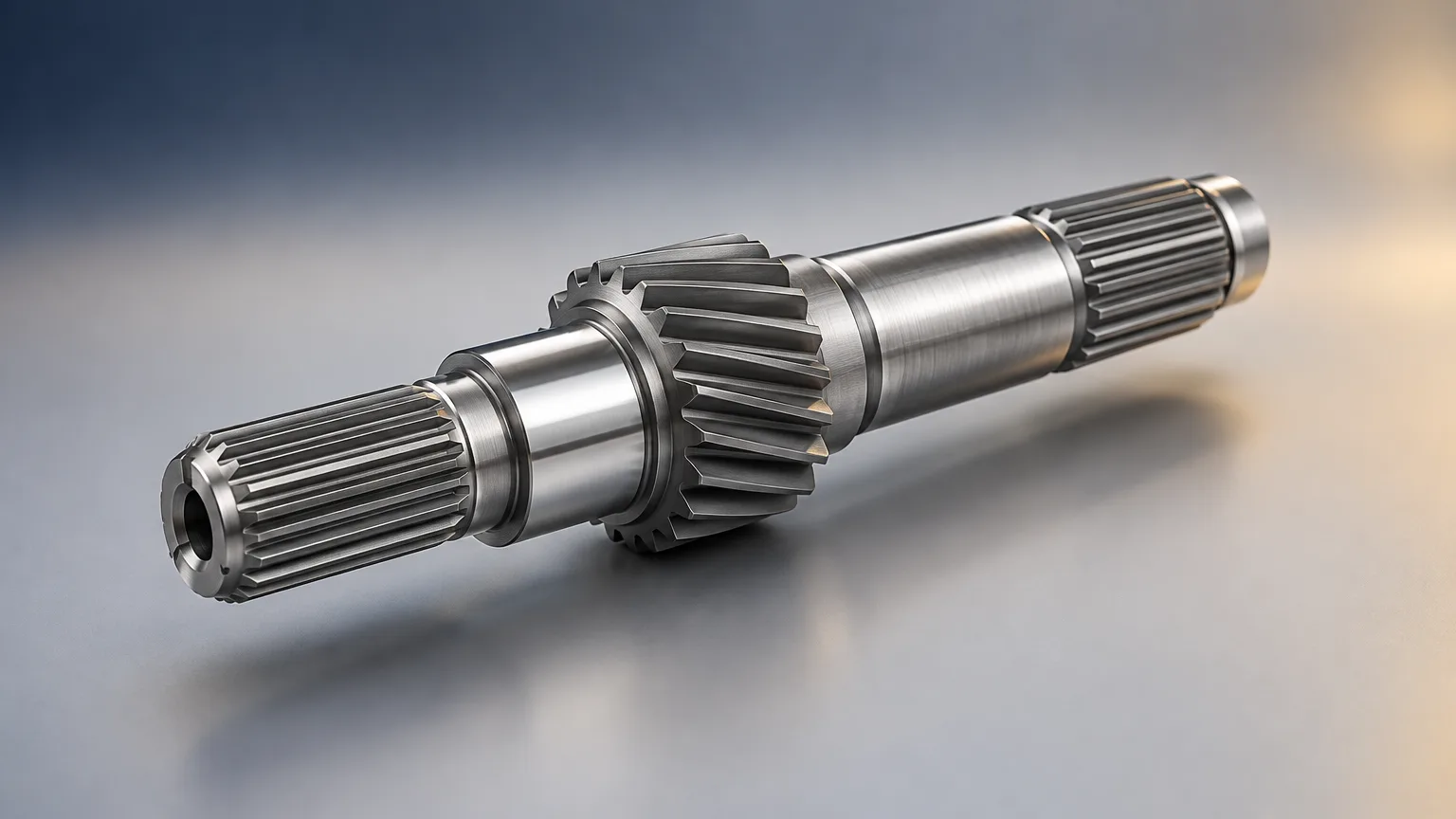
Automotive CNC machining cuts metal and plastic vehicle components from a drawing or CAD model. SR collects quotes from a vetted supplier network, manages quality and inspection, and delivers finished parts.
- Prototypes and low volume
- Drawing or CAD accepted
- Inspection managed by SR
- Automotive first
- Quote in 5-7 working daysSend drawing, material, finish and quantity
- Inspection before shipmentDimensional and documentation checks
- One point of contactSR manages the supplier network for you
Automotive CNC machining is a subtractive process that cuts metal or plastic vehicle components to a drawing using milling, turning and multi-axis equipment. It suits prototypes, low and mid volumes, and tight features. SR is a manufacturing broker: it collects quotes from a vetted supplier network, manages quality and inspection, and delivers the parts.
What automotive CNC machining is and when to use it
Automotive CNC machining is the production of vehicle components by controlled material removal, using milling, turning, drilling and multi-axis equipment driven by a CAD model or drawing. It is a subtractive route, so the part starts as bar, plate, billet or casting and is cut to final geometry.
It is one route within auto parts manufacturing and automotive parts manufacturing. Automotive component manufacturers use it for car parts manufacturing and vehicle parts manufacturing when geometry is complex, tolerances are tight, or volumes do not justify tooling. Material waste and cycle time can be high compared with forming processes.
Who this service is for
- Engineers validating a design before committing to tooling.
- Procurement managers sourcing brackets, housings, shafts and fixtures in low to mid volumes.
- Founders and aftermarket brands building performance, service or replacement parts.
When to choose machining over other routes
| Route | Best fit | Main trade-off |
|---|---|---|
| CNC machining | Prototypes, low volumes, tight features, metal parts | Material waste and cycle time can be high |
| Stamping | High-volume sheet-metal parts | Requires dedicated dies; limited for complex 3D forms |
| Injection molding | Repeatable plastic parts at volume | Tooling cost and design lead time can be substantial |
| Die casting | Near-net-shape aluminum, zinc or magnesium parts | Porosity, tooling cost and alloy limits require control |
| Forging | Strong, fatigue-resistant metal parts | Tooling, material flow and machining allowances add cost |
| Additive manufacturing | Prototypes, tooling and complex low-volume parts | Production rate, finish and material qualification may limit use |
Automotive CNC machining process steps
The process runs from your drawing to inspected parts in a fixed sequence. Each step produces a record that feeds the next, so changes stay traceable.
- 1. Requirements review SR reviews the drawing, CAD, revision, material, finish, tolerances, quantity and delivery location. Missing or conflicting requirements are flagged before quoting.
- 2. Supplier matching and quoting The package goes to suppliers in the vetted network whose equipment and experience fit the part. Quotes are compared on capability, not price alone.
- 3. DFM feedback Suppliers return manufacturability notes: features that need special tooling, thin walls, deep pockets, tight datums or secondary operations. You approve changes before cutting starts.
- 4. Programming and setup CAM programs, fixtures and tooling are prepared. Setup count is a major cost driver, so parts are planned to minimize re-fixturing.
- 5. Machining Material is cut to the drawing on milling, turning or multi-axis equipment. In-process checks catch drift before a batch is finished.
- 6. Finishing and treatment Deburring, anodizing, plating, coating, heat treatment or marking are applied as specified on the drawing.
- 7. Inspection and documentation Dimensional checks, material and treatment certificates, and inspection reports are compiled against the drawing and any customer-specific requirements.
- 8. Packing and delivery Parts are protected for transit and shipped to the agreed delivery location with the documentation package.
Materials and finishes for precision CNC machining
Material choice sets strength, weight, corrosion behavior and machinability, and it drives a large share of cost in precision CNC machining of automotive components. Grades must be specified on the drawing; SR does not assume a grade.
| Material | Grade | Properties | Typical uses |
|---|---|---|---|
| Aluminum alloys | Aluminum grade per drawing | Low density, corrosion resistance, machinability | Brackets, housings, wheels, engine and transmission components |
| Carbon and alloy steel | Steel grade per drawing | High strength and fatigue resistance; hardness and weldability vary by grade | Shafts, gears, suspension, fasteners, structural parts |
| Magnesium alloys | Magnesium grade per drawing | Very low density; corrosion protection often required | Lightweight housings, brackets, seat frames |
| Zinc alloys | Zinc grade per drawing | Dimensional repeatability, good surface finish | Handles, latches, housings, small hardware |
| Polypropylene | Polypropylene grade per drawing | Low density, chemical resistance | Trim, ducts, covers, interior parts |
| Polyamide | Polyamide grade per drawing | Strength, wear resistance; moisture affects dimensions | Gears, clips, connectors, under-hood parts |
| ABS | ABS grade per drawing | Impact resistance, dimensional stability | Interior trim, bezels, instrument-panel parts |
Finishes and secondary operations
- Anodizing for aluminum: wear and corrosion protection.
- Zinc or nickel plating for steel corrosion resistance.
- Powder coating and painting for cosmetic or protective layers.
- Heat treatment to reach specified hardness and strength.
- Deburring and surface finishing to meet Ra requirements.
- Laser marking for part numbers and traceability.
Specifications and tolerances for automotive CNC parts
Tolerances for automotive CNC parts are not universal: they depend on process, part size, material and drawing, and a supplier capability study must confirm them. For example, a tolerance of about 0.005 in (0.13 mm) is only meaningful once the drawing and datum scheme are defined. The table lists the parameters to define before quoting.
| Parameter | Typical range | Standard or source |
|---|---|---|
| Dimensional tolerance | Unverified; depends on process, size, material and drawing | Part drawing and supplier capability study required |
| Geometric tolerancing | Unverified; specify datum scheme and GD&T callouts | ASME Y14.5 or applicable ISO GPS standard; exact edition unverified |
| Surface roughness | Unverified; specify Ra or other required parameter | Drawing requirement; applicable surface-texture standard unverified |
| Hardness and strength | Unverified; defined by material and heat-treatment specification | Material specification and test method required |
| Capability | Cp/Cpk targets are customer- and feature-specific | IATF 16949, control plan, SPC and customer-specific requirements |
| Part approval | Submission level and evidence vary by customer | AIAG PPAP and applicable customer-specific requirements |
IATF 16949 defines a quality-management system for automotive production, service and accessory parts; it does not by itself guarantee part conformity. Conformity still depends on specifications, controls, inspection and customer requirements.
DFM tips that lower automotive CNC machining cost
DFM tips that lower automotive CNC machining cost focus on fewer setups, looser tolerances and standard stock, because design decisions made before quoting affect price more than supplier negotiation. These seven changes reduce machining time, setup count and scrap.
- Relax tolerances where function allows. Every tightened tolerance adds inspection and slower cutting.
- Use standard stock sizes. Odd billet sizes increase material cost and removal volume.
- Keep pockets and holes to standard tool diameters and depths. Deep, narrow features need long tools and slow passes.
- Design for fewer setups. Features reachable from one or two orientations cut fixturing and re-datuming risk.
- Avoid thin walls and unsupported floors. They vibrate and often fail inspection.
- Consolidate parts. One machined part can replace several brackets and fasteners.
- Specify finish and marking only where needed.
Typical automotive CNC machining applications
Machining covers both OEM production support and aftermarket work. The examples below are typical part families, not a limit on what the network can quote.
| Category | Example parts | Typical industries |
|---|---|---|
| Body, chassis and structural | Brackets, mounts, hinge components, reinforcement plates | Passenger vehicles, light commercial vehicles |
| Powertrain and drivetrain | Housings, covers, shafts, adapters, transmission components | OEM programs, performance builders |
| Suspension and steering | Bushings, links, knuckles, spacers | Aftermarket, motorsport, specialty vehicles |
| Interior and trim hardware | Bezels, clips, latches, handles, panel supports | Interior suppliers, accessory brands |
| Electrical and sensor housings | Enclosures, connector bodies, mounting plates | EV, ADAS, electronics suppliers |
| Tooling and fixtures | Jigs, check fixtures, prototype molds | Manufacturing engineering teams |
OEM programs usually require validated processes, traceability and customer approval. Custom aftermarket work often prioritizes flexibility and low-volume economics instead.
What drives the cost of automotive CNC machining
No reliable universal price exists for machined automotive parts. Cost is built from geometry, material, process, quantity, tolerance, finishing, inspection and logistics, and it changes with every RFQ.
- Part geometry, size, wall thickness and tolerance requirements.
- Machining time, setup count and material removal volume.
- Material grade, stock form and buy quantity.
- Finishing and heat treatment operations.
- Inspection level, documentation and part approval evidence.
- Quantity and repeat order potential.
- Delivery location, packaging and freight.
Prototype pricing is usually not production pricing. Prototypes may be machined or additively built, while production may require molds, dies, fixtures, automation and validation. Ask for both stages separately so the comparison is honest.
Why order automotive CNC parts through SR
Ordering automotive CNC parts through SR means SR acts as a manufacturing broker, not a manufacturer. Automotive CNC machining is sourced from a vetted supplier network, with SR managing quality and inspection and delivering finished parts. SR does not own factories or machines.
What SR does
- Reviews your drawing and RFQ package for completeness.
- Routes the package to suppliers whose equipment fits the part.
- Compares quotes on capability, not price alone.
- Manages inspection, documentation and delivery.
What SR does not do
- Own plants, machines or tooling.
- Hold certifications on behalf of suppliers.
- Skip drawing and specification review.
- Quote without a defined material and finish.
The broker model in practice
- Vetted network: suppliers are screened for equipment, experience and quality systems before work is placed.
- One contact: you deal with SR, not a different salesperson at every supplier.
- Inspection: dimensional checks and documentation are managed against your drawing and requirements.
Quote turnaround is typically 5-7 working days from a complete RFQ package. Send drawings and questions to killol@sourcingrepository.com, or reach SR at 201 SG Mall, Ahmedabad.
Have a drawing to quote?
Upload it with quantity and material to start a quote.
FAQ
Common questions
How much do custom auto parts cost?
No reliable universal price exists. Cost depends on geometry, material, process, tooling, quantity, tolerance, finishing, inspection and logistics. Send a complete drawing and quantity so suppliers can quote the actual part rather than a guess.
What information is needed for a quote?
Provide CAD, drawing, revision, material, finish, tolerances, quantity, delivery location, inspection needs and the intended application. Missing material or finish details are the most common reason a quote is delayed or later revised.
What is PPAP?
PPAP is an automotive submission process used to demonstrate that a production process can consistently meet approved requirements. It documents production readiness and customer approval. Exact submission levels and evidence vary by customer and program.
Does IATF 16949 certification guarantee part quality?
No. IATF 16949 defines a quality-management system for automotive production, service and accessory parts. Part conformity still depends on the specifications, process controls, inspection and customer-specific requirements applied to that specific part.
Related resources
Keep reading
Ready when you are
Send your drawing for an automotive CNC machining quote
Share CAD, drawing, material, finish, tolerances and quantity. SR reviews the package, routes it to vetted suppliers and returns quotes in 5-7 working days.
Your files stay confidential. NDA available on request.