Automotive OEM Programs
OEM Contract Manufacturing for Tier 1 and Tier 2 Programs
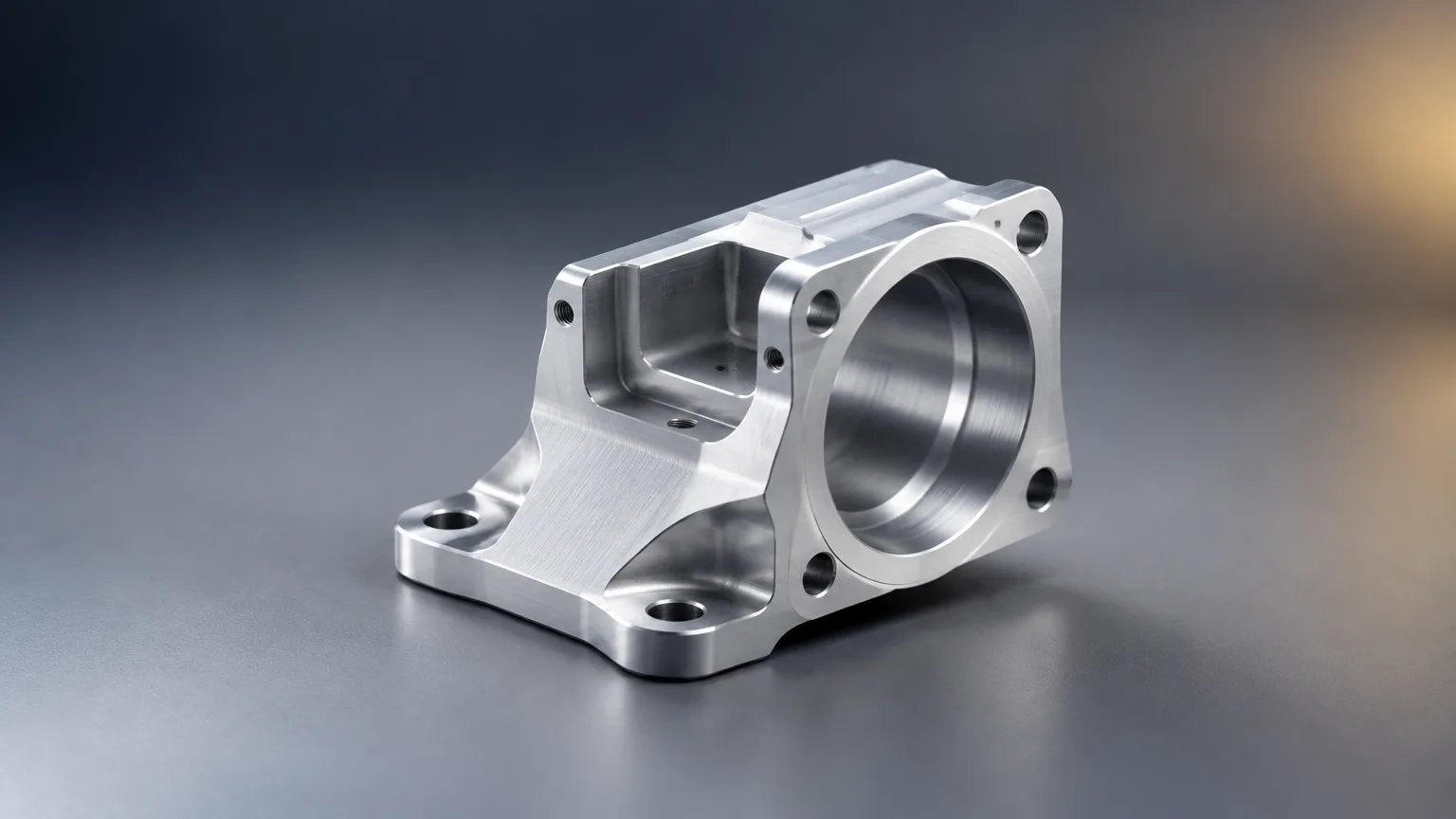
Sourcing Repository is a manufacturing broker for automotive OEM supply chain programs. We collect quotes from a vetted supplier network, manage quality documentation and inspection, and deliver parts to your dock.
- Tier 1 and Tier 2 programs
- PPAP and FAI documentation
- Vetted supplier network
- Quote turnaround 5-7 working days
- Quote turnaround5-7 working days from complete RFQ
- Documentation managedPPAP, FAI and inspection reports
- Vetted supplier networkProcess routes matched to your drawing
OEM contract manufacturing is the production of parts built to an automotive customer's drawing, specification and approval requirements, typically under IATF 16949 and customer-specific rules. Sourcing Repository acts as the broker: it collects quotes from a vetted supplier network, manages PPAP and inspection documentation, and delivers conforming parts to Tier 1 and Tier 2 buyers.
Who this is for: Tier 1 and Tier 2 buyers running OEM programs
This service is for purchasing and engineering teams that supply automotive OEMs and need contract manufacturing capacity behind their own part numbers. The buyer is usually a Tier 1 supplier building a subassembly, or a Tier 2 supplier feeding one.
Typical buyers include program managers launching a new part, procurement managers resourcing an existing part after a supplier problem, and founders of smaller automotive firms that won a program but do not own the machines to run it.
- Tier 1 suppliers that need machined, stamped, molded, cast or forged components to a released drawing.
- Tier 2 suppliers that need parts to feed their own production schedule.
- Engineering teams that need prototype or pre-production parts before a production tool is cut.
- Procurement teams that need a second source for a part already in production.
Their challenges: what makes OEM supply chain sourcing hard
The hardest part of the OEM supply chain is not finding a factory. It is finding one that can hold the drawing, document the process and stay repeatable across the program life, whether the work is automotive parts manufacturing or smaller automotive components.
Approval and documentation load
OEM programs usually require validated processes, traceability and customer approval. PPAP submission levels and evidence vary by customer, so the paperwork lands on the buyer even when the parts are made elsewhere.
Process fit and volume mismatch
Each process has a volume window. Stamping is economical for high-volume sheet-metal parts but needs dedicated dies. CNC machining is precise and flexible for low volumes, but material waste and cycle time can be high.
Capability and tolerance risk
Dimensional tolerance is unverified until the drawing and the supplier's capability study are reviewed together. Cp/Cpk targets are customer- and feature-specific, so a supplier that looks capable on paper may not be capable on your feature.
Supplier churn and schedule pressure
When a supplier misses a schedule or a quality gate, the buyer must requalify fast without breaking the approval record. That is where most program risk sits.
How we help: the broker model for OEM contract manufacturing
OEM contract manufacturing through Sourcing Repository is a broker model: SR does not own factories or machines. It collects quotes from a vetted supplier network, manages quality and inspection, and delivers the parts to your dock.
Automotive OEMs and their suppliers get a choice of automotive component manufacturers without auditing and administering every shop themselves.
What SR does
- Reviews your drawing, specification and volume before quoting.
- Collects quotes from suppliers whose process route fits the part.
- Manages quality documentation and inspection requirements.
- Coordinates delivery of conforming parts.
What SR does not do
- Own plants, machines or tooling.
- Replace your customer's approval authority.
- Quote from an incomplete drawing.
Why buyers use a broker instead of direct sourcing
- Process matching: quotes go to suppliers whose route suits the geometry, material and volume.
- Documentation discipline: PPAP, FAI and inspection evidence are tracked as deliverables.
- Single point of contact: one channel for quotes, changes and quality issues.
- Comparable quotes: suppliers quote against the same drawing revision and requirement set.
Process: from RFQ to delivered OEM parts
The process runs in six steps, and each step has a defined input so the program does not stall on missing information.
- 1. RFQ and drawing review Send the drawing, material specification, annual volume, target timing and customer-specific requirements. We check that the drawing revision, datum scheme and GD&T callouts are complete before quoting.
- 2. Process route selection We match the part to an auto parts manufacturing route: CNC machining, stamping, injection molding, die casting, forging, additive manufacturing, or assembly and joining. The route follows geometry, material and volume, not supplier preference.
- 3. Quote collection and comparison Quotes are collected from the vetted supplier network against the same drawing revision. Quote turnaround is typically 5-7 working days from a complete RFQ.
- 4. Award and pre-production planning On award, the supplier confirms the control plan, inspection method and traceability approach. Prototype or pre-production parts can be run before production tooling is committed.
- 5. Production and in-process control Production runs against the agreed control plan, with process audits and traceability keeping the part repeatable.
- 6. Inspection, documentation and delivery Final inspection and the required quality documents are compiled, then parts ship. Any deviation is raised before shipment, not after.
Quality documents: PPAP, FAI and inspection reports
Quality documents are the evidence that a production process can consistently meet approved requirements. PPAP is an automotive submission process used to demonstrate exactly that; exact customer submission rules vary.
| Parameter | Typical range | Standard or source |
|---|---|---|
| Dimensional tolerance | Unverified; depends on process, size, material and drawing | Part drawing and supplier capability study required |
| Geometric tolerancing | Unverified; specify datum scheme and GD&T callouts | ASME Y14.5 or applicable ISO GPS standard; exact edition unverified |
| Surface roughness | Unverified; specify Ra or other required parameter | Drawing requirement; applicable surface-texture standard unverified |
| Hardness and strength | Unverified; defined by material and heat-treatment specification | Material specification and test method required |
| Capability | Cp/Cpk targets are customer- and feature-specific | IATF 16949, control plan, SPC and customer-specific requirements |
| Part approval | Submission level and evidence vary by customer | AIAG PPAP and applicable customer-specific requirements |
Documents typically managed on an OEM program
- First article inspection (FAI) report against the released drawing.
- PPAP submission package at the level your customer requires.
- Control plan and process flow for the selected route.
- Material and heat-treatment certificates where specified.
- Dimensional inspection reports and capability data for nominated features.
- Traceability records linking delivered parts to production lots.
Volumes and pricing approach for OEM contract manufacturing
Pricing for OEM contract manufacturing has no reliable universal figure, because cost depends on geometry, material, process, tooling, quantity, tolerance, finishing, inspection and logistics.
Volume drives the process choice for car parts manufacturing more than any other input. Prototype and low-volume work usually favors CNC machining or additive manufacturing because tooling is avoided. Production volume usually favors stamping, injection molding, die casting or forging once tooling is justified.
| Stage | Typical route | Cost driver |
|---|---|---|
| Prototype | CNC machining or additive manufacturing | Machine time and material waste; no tooling |
| Pre-production | CNC machining, soft tooling or bridge tooling | Setup, inspection and documentation |
| Low-volume production | CNC machining or additive manufacturing | Cycle time and material cost per part |
| High-volume production | Stamping, injection molding, die casting or forging | Tooling amortization, cycle time and capability |
Quotes are built from the drawing and stated annual volume, not a catalog. If volume is uncertain, quote the prototype stage first and re-quote production once the design is frozen.
Starter program: a low-risk first order
A starter program proves the drawing, the process route and the documentation path before you commit production volume. It is the fastest way to de-risk a new OEM contract manufacturing source.
- Pick one representative part from the program, ideally the one with the tightest features.
- Send the released drawing, material specification and target annual volume.
- Run a prototype or pre-production batch on the selected process route.
- Review the FAI report and dimensional data against the drawing.
- Confirm the PPAP submission level your customer requires before production release.
- Scale to production volume once the process is proven and the documentation path is agreed.
Get started: request an OEM contract manufacturing quote
To request an OEM contract manufacturing quote, send your drawing, material specification, annual volume and target timing to start an RFQ for vehicle parts manufacturing or other automotive components.
Also include the drawing revision, datum scheme, GD&T callouts, heat-treatment specification, surface finish requirement and any customer-specific requirements. Missing inputs are the main cause of quote delay.
Have a drawing to quote?
Upload it with quantity and material to start a quote.
FAQ
Common questions
What is PPAP?
PPAP is an automotive submission process used to demonstrate that production processes can consistently meet approved requirements; exact customer submission rules vary. The submission level and evidence package are set by the customer, so the same part can require different documentation at different OEMs.
How much do custom auto parts cost?
No reliable universal price exists. Cost depends on geometry, material, process, tooling, quantity, tolerance, finishing, inspection and logistics. Send a released drawing with an annual volume and the quote is built from those inputs rather than a catalog rate.
Does IATF 16949 certification guarantee part quality?
No. It defines a quality-management system; part conformity still depends on specifications, controls, inspection and customer requirements. A certified supplier can still miss a feature if the drawing, control plan or capability study is wrong.
Which manufacturing process fits an OEM program part?
Process selection follows geometry, material and production volume. CNC machining suits prototypes and low volumes; stamping, injection molding, die casting and forging suit higher volumes once tooling is justified. Prototype routes minimize tooling and lead time; production routes optimize repeatability, cycle time, capability and total cost.
Related resources
Keep reading
Ready when you are
Start your OEM contract manufacturing RFQ
Send your drawing, material specification, annual volume and target timing. We collect quotes from a vetted supplier network, manage quality documentation and inspection, and deliver parts to your dock.
Your files stay confidential. NDA available on request.