
The problem
Why contract manufacturer selection goes wrong.
Sourcing guide
Finding a contract manufacturer means defining requirements, qualifying candidates, issuing comparable RFQs and auditing finalists before you commit to production.
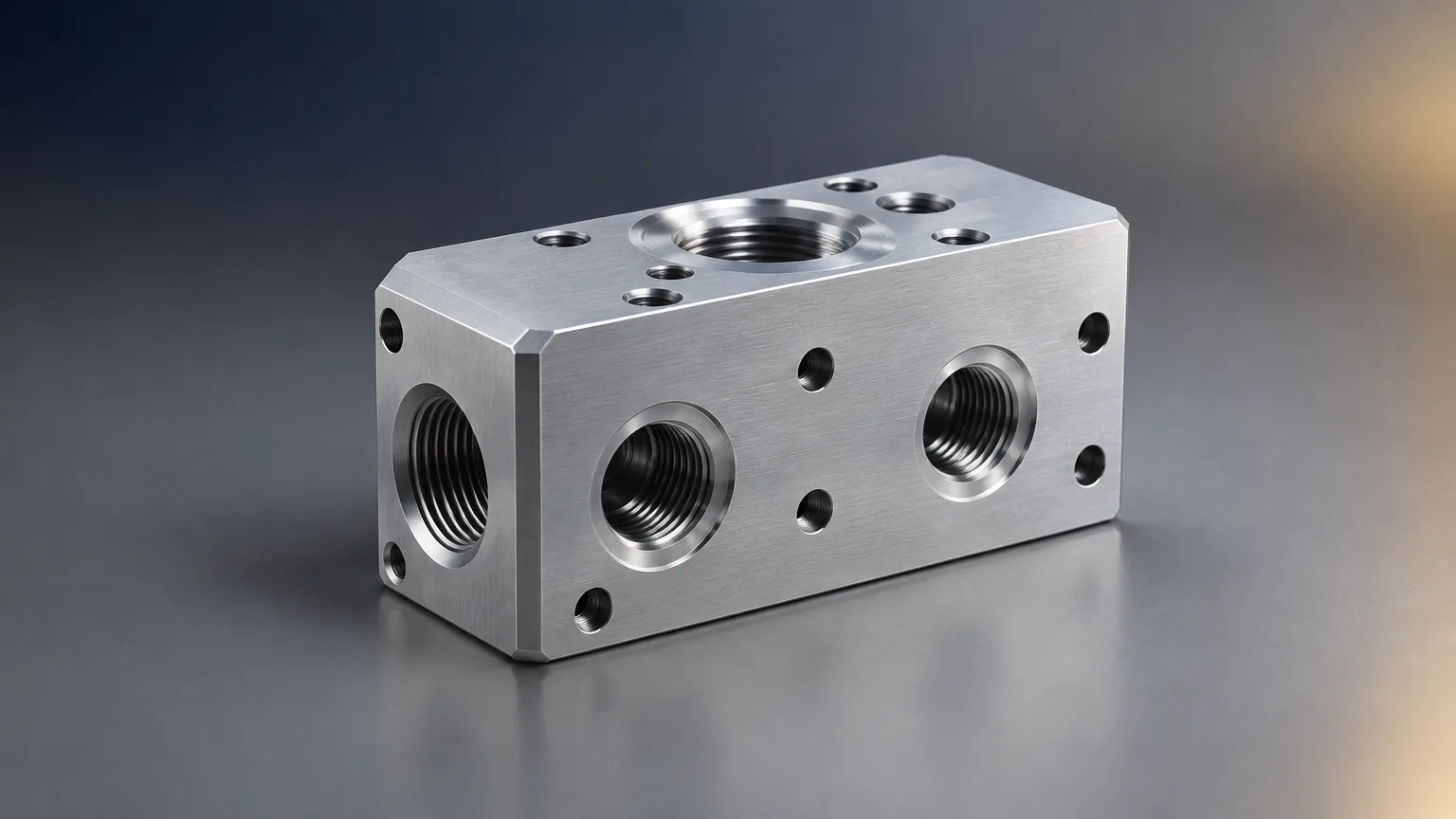
Why contract manufacturer selection goes wrong.
Eight steps from requirement to approval.
Criteria to compare finalists on the same basis.
Avoidable errors that surface after launch.
What drives cost and lead time.
Contracts, inspection, IP and payment.
A hypothetical qualification scenario.
Request quotes from vetted suppliers.
How to find a contract manufacturer is a structured process: define the part, volume and quality requirements, build a qualified candidate list, send the same RFQ package to three to five finalists, audit the shortlist, and approve a supplier against documented criteria. A contract manufacturer produces products or components for another company under an agreement.
A contract manufacturer (CM) produces products or components for another company under an agreement. Selection goes wrong when buyers treat it as a price exercise instead of a capability and risk decision.
The most common failure is an incomplete RFQ. If drawings, tolerances, volumes, inspection requirements and delivery terms are not identical across bidders, the quotes are not comparable and the cheapest number is often the least informed one.
The second failure is skipping verification. A supplier can quote confidently and still lack the process controls, calibration, traceability or corrective-action system the program needs. That gap usually appears after tooling is cut and launch dates are fixed.
The reliable path runs from requirements to approval in eight steps. Each step narrows the field and produces evidence for the next decision.
Use this checklist to compare finalists on the same criteria. It covers the technical, commercial and control questions that decide whether a supplier can execute.
| Parameter | Typical range | Standard or source |
|---|---|---|
| Dimensional tolerances | Unverified; use feature-specific drawing tolerances | Customer drawing; avoid relying on unspecified shop capability. |
| Annual volume and forecast | Unverified; state launch, steady-state, peak, and minimum order quantities | RFQ package and supply agreement. |
| Quality acceptance | Unverified; define inspection plan, sampling, defects, and records | Purchase contract, control plan, and applicable quality standard. |
| Lead time | Unverified; separate prototype, tooling, pilot, and production lead times | Supplier quotation and capacity plan. |
The most common mistakes when selecting a contract manufacturer are choosing on price alone, sending unequal RFQs and skipping the audit. Knowing how to find a contract manufacturer includes knowing what to avoid, and each error is cheaper to fix before the award than after launch.
Cost and lead time are driven by the same variables: labor content, automation, setup time and batch size. No universal cost, lead-time, tolerance or capacity ranges are verified here, so treat every number as supplier-specific.
Direct sourcing has broad reach but variable supplier verification. RFQ competition produces comparable bids, but incomplete specifications distort pricing. Audits reduce execution risk while consuming time and technical resources.
A strategic partnership can bring engineering support and scalable capacity, at the cost of switching costs and dependency risk. Local sourcing may simplify communication, audits and logistics; offshore sourcing may broaden capacity but adds transport, duty, compliance and coordination risk.
| Route | Advantage | Trade-off |
|---|---|---|
| Direct sourcing | Broad reach across associations, fairs, referrals and platforms. | Variable supplier verification. |
| RFQ competition | Comparable bids from three to five finalists. | Incomplete specifications distort pricing. |
| Audit and sample approval | Reduces execution risk before production. | Requires time and technical resources. |
| Strategic partnership | Engineering support and scalable capacity. | Switching costs and dependency risk. |
Risk controls convert a promising supplier into a managed one. Put the technical, quality and commercial terms in writing before production starts.
The purchase contract should reference the drawing revision, control plan, inspection plan, sampling, defect definitions and record retention. Where the contract requires it, name the applicable quality standard, such as IATF 16949 for automotive production.
Define who inspects, at what frequency, against which criteria, and what happens on rejection. First-article approval and ongoing sampling should both be documented.
State ownership of drawings, tooling and process documentation, plus conditions for transfer at the end of the relationship. Identify subcontractors who will see your files or tooling.
Tie payment milestones to verifiable events such as sample approval, pilot run and shipment. Confirm Incoterms and delivery terms so quotes remain comparable.
The following scenario is hypothetical and illustrates the process, not a real project or result.
An automotive tier-two supplier needs a machined bracket at a steady-state volume with a defined peak. The buyer writes a requirement covering material, drawing tolerances, finish, inspection expectations and launch timing, then builds a long list of ten candidates.
Screening removes four candidates that cannot serve the volume or process. The remaining six receive an identical RFQ package; three return complete bids. The buyer normalizes tooling, Incoterms, inspection scope and lead-time definitions, then audits the top two.
One audit reveals weak calibration records and unclear nonconformance handling. The other shows documented process controls, traceability and corrective action. The buyer approves first articles, awards to the stronger supplier and schedules a pilot run before full production.
You request quotes from vetted suppliers by sending Sourcing Repository your drawings, volumes, quality requirements and delivery terms. Sourcing Repository is a manufacturing broker that does not own factories or machines. It collects quotes from a vetted supplier network, manages quality and inspection, and delivers parts.
How to find a contract manufacturer comes down to four steps: define requirements, build a qualified candidate list, issue identical RFQs, and audit finalists before approval.
Quotes typically come back in 5-7 working days. You can reach the team at killol@sourcingrepository.com or through the quote form.
Upload it with quantity and material to start a quote.
FAQ
For material or product-critical programs, an on-site or remote audit should assess capability, controls, capacity, records and subcontractors. The audit is where you verify calibration, training, traceability and corrective action rather than trusting a quotation.
Use identical technical files, quantities, Incoterms, tooling assumptions, inspection requirements and lead-time definitions. When inputs match, differences in price reflect real differences in capability and cost structure.
When planning how to find a contract manufacturer, send the same RFQ package to three to five finalists. Fewer suppliers limit competition and benchmarking; more adds administrative work without improving comparability once the specification is fixed.
Confirm process capability, capacity for peak volume, documented inspection and sampling, calibration and traceability records, nonconformance handling, subcontractor control, tooling ownership and lead times broken out by prototype, tooling, pilot and production.
Related resources
Ready when you are
Send your drawings, volumes and quality requirements. Sourcing Repository collects quotes from a vetted supplier network, manages quality and inspection, and delivers parts.
Your files stay confidential. NDA available on request.