
Metal Finishing Services
Powder Coated Metal for Durable, Low-Emissions Finishes
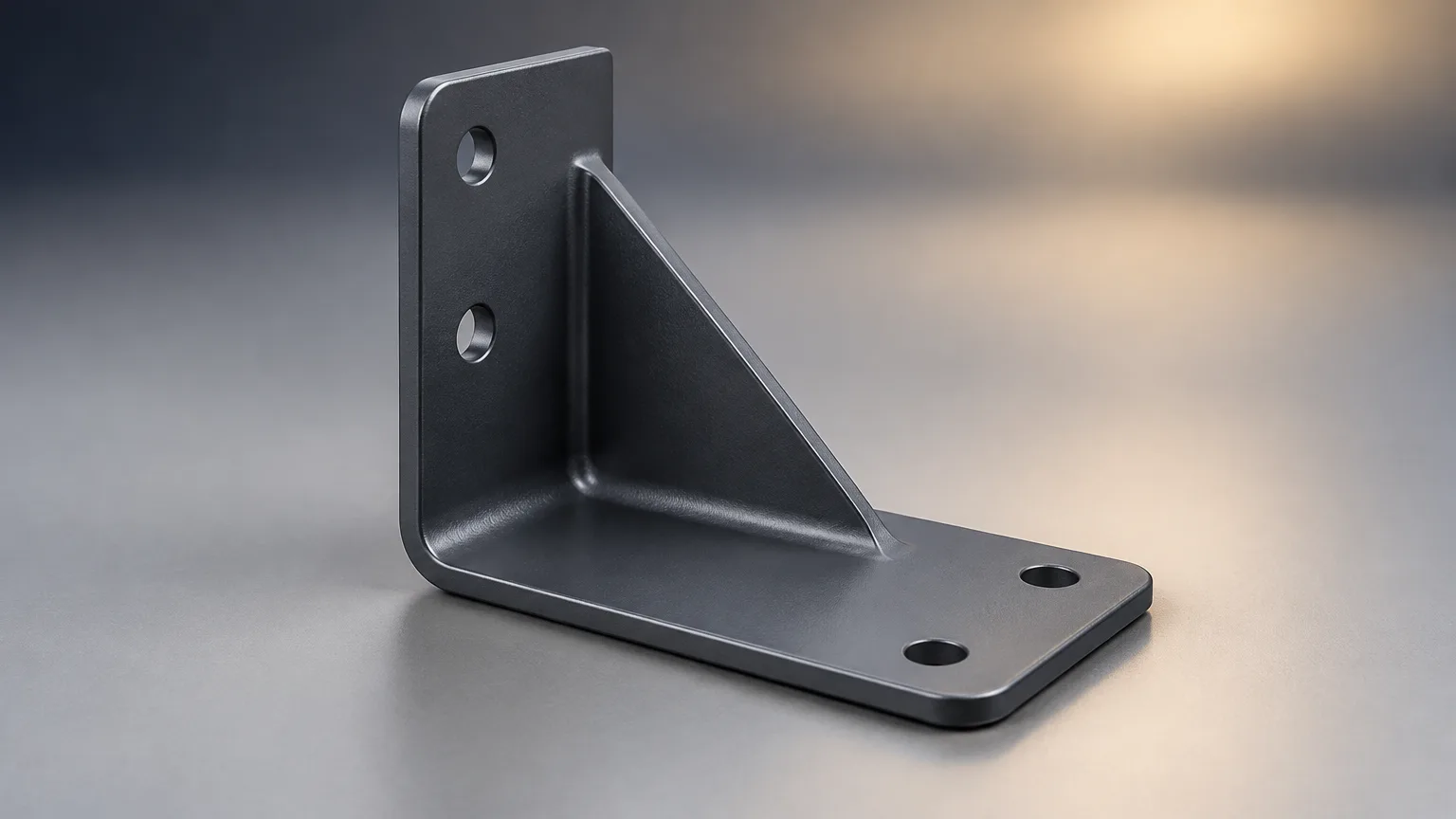
Powder coating applies a dry polymer powder that is heat-cured into a hard, durable film. SR sources powder coated metal and powder coated aluminum through a vetted supplier network and manages inspection.
- Aluminum and steel
- Low solvent emissions
- Color and texture options
- Inspection managed
- Quote turnaround5-7 working days
- One point of contactQuotes, quality and delivery handled for you
Powder coating is a finishing process that applies dry polymer powder to a cleaned metal part and heat-cures it into a durable film. It suits powder coated metal and powder coated aluminum parts that need color, texture and corrosion protection with low solvent emissions. Curing temperature can affect substrates and dimensional requirements.
What powder coated metal finishing is and when to use it
Powder coating is a metal finishing process that cleans a part, optionally pretreats it, applies dry powder, then heats and cures the powder into a continuous film. It is one of several finishing routes, alongside anodizing, plating, conversion coating and passivation, that modify, protect or texture a metal surface.
The process is durable and efficient with low solvent emissions. It is a good fit when you need a colored or textured finish on steel or aluminum, when you want to avoid solvent-based paint, and when the part can tolerate the curing temperature. Curing temperature may affect substrates and dimensional requirements, so heat-sensitive parts and tight tolerances need review before quoting.
Who this service is for
- Engineers specifying a finish on steel or aluminum enclosures, brackets and housings.
- Procurement managers consolidating finishing and machining under one supplier contact.
- Founders and product teams moving a design from prototype to repeat production.
- Automotive and equipment builders who need a durable, low-emission finish on metal parts.
Powder coating process steps
The powder coating process follows a clean, pretreat, apply, cure sequence. Each step affects adhesion, appearance and final dimensions, so process records matter as much as the finish.
- 1. Clean the substrate Degrease, descale and remove oils, oxides and contaminants, following practices such as ISO 27831-2.
- 2. Pretreat the surface Apply a conversion coating, commonly phosphate or chromate chemistry, then rinse and dry. It improves adhesion and corrosion resistance, but it is thin, chemistry-specific and may involve regulated substances.
- 3. Apply the dry powder Spray electrostatically charged powder onto the grounded part. Powder is applied dry, so no solvents flash off.
- 4. Heat and cure Melt and cure the powder in an oven to form a continuous film. Curing temperature may affect substrates and dimensions, so confirm the schedule against the base metal and drawing.
- 5. Cool, inspect and pack Cool the part, verify appearance, coverage and any specified thickness or adhesion checks, then pack to protect the finish.
Masking is decided before coating. Threads, mating faces, electrical contact areas and press-fit bores are commonly masked so the cured film does not interfere with assembly.
Powder coated metal materials and finishes
Powder coated metal is metal finished with a dry polymer powder that is electrostatically applied and heat-cured into a continuous film. Aluminum and steel are the most common substrates, and powder coated aluminum is widely specified where weight and corrosion resistance both matter.
| Material | Grade | Properties | Typical uses |
|---|---|---|---|
| Aluminum | Unspecified alloy | Commonly anodized; coating thickness depends on anodizing type. | Enclosures, machined parts, aerospace components, architectural parts. |
| Steel | Unspecified grade | Common substrate for zinc, nickel, chromium, paint and powder coatings. | Fasteners, brackets, machinery, automotive components. |
| Stainless steel | Unspecified grade | Can be passivated, electropolished, plated or mechanically polished. | Medical, food-processing, chemical and architectural equipment. |
Finish options
- Color: a broad range, including custom matches.
- Texture and gloss: smooth, matte, satin or structured, specified in the finish callout on the drawing.
- Film build: target thickness is specified on the drawing and verified during inspection.
- Masking: threads, bores and contact areas are masked before coating.
Powder coated metal specs and tolerances
Powder coated metal specs and tolerances depend on process, substrate, geometry and drawing, so the table lists typical ranges rather than guarantees. Critical dimensional allowance is unverified without a supplier capability study and drawing-specific requirements.
| Parameter | Typical range | Standard or source |
|---|---|---|
| Anodize thickness tolerance | As low as ±0.0001 in (±2.5 µm) | MIL-A-8625F summary; actual capability is process- and geometry-dependent. |
| Zinc plating thickness | 0.0002-0.0010 in (5-25 µm) | Manufacturer technical summary citing ASTM B633 and ISO 2081. |
| Nickel plating thickness | 0.0002-0.0020 in (5-50 µm) | Manufacturer technical summary citing ASTM B689. |
| Salt-spray exposure | Project-specific; commonly 96, 240 or 500 hours | ASTM B117 practice; duration and acceptance criteria must be specified. |
| Critical dimensional allowance | Unverified without process, substrate, geometry and drawing requirements | Supplier capability study and drawing-specific requirements required. |
Size limits and lead time depend on the part envelope, the coating line and the current queue. Provide the drawing and quantity so the supplier can confirm what is achievable.
Design tips that lower powder coating cost
Design choices made before quoting have the largest effect on finishing cost. These tips reduce handling, rework and inspection time.
- Specify the finish by performance, not only by color. State thickness, adhesion, corrosion and wear requirements so the supplier can select the right powder and pretreatment.
- Mask only what matters. Every masked feature adds labor; mask threads, bores and contact areas, and leave cosmetic surfaces unmasked.
- Avoid deep recesses and blind holes where powder cannot reach or where solvent and rinse cannot drain.
- Round sharp edges and remove heavy burrs before coating. Edges and recesses are difficult because electric-field distribution, solution access, drainage and masking can produce different coating thicknesses or incomplete coverage.
- Keep wall thickness and part size within the coating line's oven and conveyor envelope to avoid special handling.
- Group parts by color and finish. Batching similar parts reduces changeover and setup time.
- State the acceptance criteria up front, including any salt-spray duration and the inspection method, so the first article is right.
Typical powder coated metal applications
Powder coating is used wherever a durable, colored finish is needed on metal parts that can tolerate curing temperature. Common examples include:
- Automotive brackets, mounts and under-hood components on steel.
- Electrical enclosures, control boxes and panels in powder coated aluminum.
- Architectural parts such as frames, rails and fittings.
- Machinery guards, covers and housings.
- Furniture frames, shelving and display hardware.
- Outdoor equipment and structural brackets exposed to weather.
Industries served include automotive, industrial equipment, electrical and electronics, architecture and general manufacturing. For parts that need a metallic appearance on aluminum, anodizing may be the better route; for stainless steel that needs corrosion resistance without a coating, passivation is the alternative.
What drives powder coating cost
Powder coating price is driven by part size, quantity, pretreatment, powder type, color, masking and inspection requirements. No single factor dominates; the combination determines the quote.
- Part size and weight: larger parts consume more powder and oven capacity.
- Quantity: setup and changeover are spread over the batch, so unit cost falls as volume rises.
- Pretreatment: phosphate or chromate conversion adds steps and chemistry control.
- Powder type and color: specialty textures, custom matches and low-volume colors cost more.
- Masking: each masked feature adds labor before and after coating.
- Inspection and testing: salt-spray, thickness and adhesion checks add time and cost.
- Packaging: protective packing for cosmetic surfaces adds material and handling.
Because pricing depends on the drawing and quantity, SR does not publish prices. Submit the drawing, material, finish callout and quantity, and SR returns a quote in 5-7 working days.
Why order powder coated metal through SR
Ordering powder coated metal through SR gives you one point of contact for a vetted supplier network. SR is a manufacturing broker that collects quotes, manages quality and inspection, and delivers parts. It does not own factories or machines.
What SR does
- Collects quotes from a vetted supplier network.
- Manages quality and inspection on your behalf.
- Provides one contact for quotes, quality and delivery.
- Delivers parts to your specification.
What SR does not do
- Does not own factories or machines.
- Does not perform coating in-house.
Contact killol@sourcingrepository.com or write to 201 SG Mall, Ahmedabad to start an RFQ.
Have a drawing to quote?
Upload it with quantity and material to start a quote.
FAQ
Common questions
Can finishing change part dimensions?
Yes. Coatings add thickness, while polishing, blasting, etching and chemical treatment can remove material. Powder coating adds a cured film, and curing temperature may affect substrates and dimensional requirements. For critical dimensions, agree process allowances with the supplier and require post-finish inspection against the drawing.
Does salt spray predict service life?
No. ASTM B117 standardizes how the salt-spray chamber is operated, and exposure hours are not a direct prediction of field life. Specify the duration and acceptance criteria for each project, and treat the result as a comparison between finishes rather than a guaranteed service life.
What information should an RFQ include?
Include material and grade, part drawing, quantity, finish, thickness, masking areas, color, dimensional limits, test requirements, packaging and required certifications. A complete RFQ lets suppliers quote accurately, and SR typically returns quotes in 5-7 working days.
Why are edges and recesses difficult?
Electric-field distribution, solution access, drainage and masking can produce different coating thicknesses or incomplete coverage on edges and in recesses. Flag these features on the drawing so the supplier can plan masking and application, and agree how thickness will be inspected.
Related resources
Keep reading
Ready when you are
Request a powder coated metal quote
Send your drawing, material, finish callout and quantity. SR collects quotes from a vetted supplier network, manages inspection and delivers parts. Quotes typically return in 5-7 working days.
Your files stay confidential. NDA available on request.