
Stainless Steel Fabrication
Stainless Steel Fabrication for Custom Parts
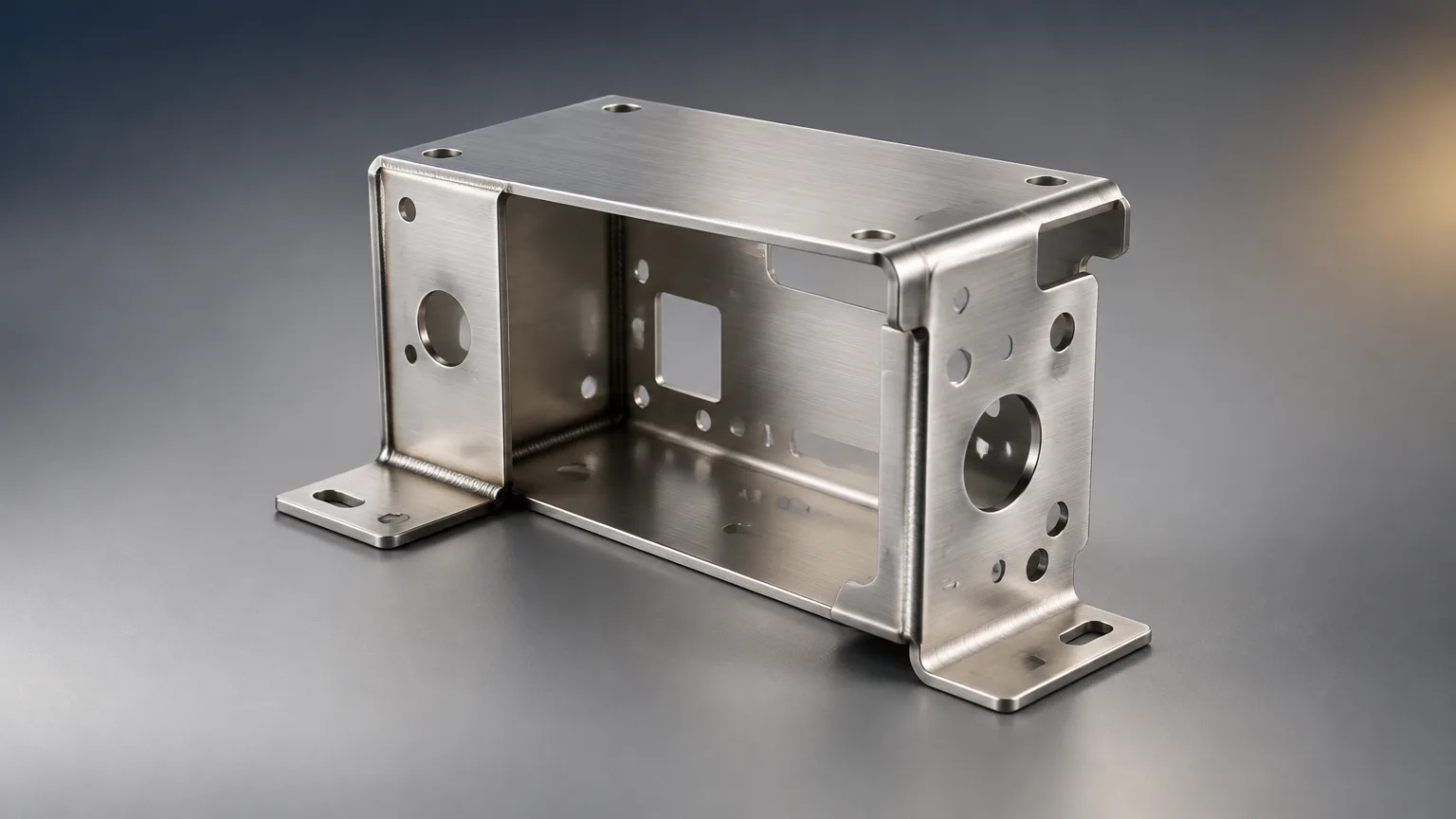
Stainless steel fabrication is the cutting, forming, machining, joining, finishing and inspection of stainless sheet, plate, bar, tube or structural sections into finished components.
- 304 / 316 / 2205
- Laser, forming, welding
- Inspection managed by SR
- Quote in 5-7 working days
- Send drawings or modelsGrade, tolerances, finish and quantity
- Inspection managedMaterial certs and weld checks
- Vetted suppliersOne contact, one quote pack
Stainless steel fabrication is the cutting, forming, machining, welding, finishing and inspection of stainless steel sheet, plate, bar, tube or structural sections into finished parts. SR is a manufacturing broker: it collects quotes from a vetted supplier network, manages quality and inspection, and delivers the parts.
What stainless steel fabrication is and when to use it
Stainless steel fabrication is the cutting, forming, machining, joining, finishing and inspection of stainless steel sheet, plate, bar, tube or structural sections into finished components. It covers processes such as laser cutting, press-brake forming, welding, CNC machining, polishing, cleaning and passivation.
It suits engineers, procurement managers and founders who need custom stainless parts rather than stock material. Use it when a part must resist corrosion, meet a cleanability or hygiene requirement, or combine several features in one welded or machined assembly.
- Choose stainless steel fabrication when the service environment includes moisture, chemicals, chlorides or washdown.
- Choose it when the part needs welded construction, formed shells, tanks, piping or process equipment.
- Choose it when appearance and surface finish matter, such as architectural or visible enclosure work.
- Choose it when traceability is required, so material certificates and heat numbers can be verified.
Stainless steel fabrication process steps
The process runs from drawing review to inspected delivery. Each step follows the drawing, the product standard and the agreed inspection plan.
- 1. Drawing and specification review Confirm grade, product standard, thickness, tolerances, weld class, finish and inspection requirements. Verify material certificates, heat numbers and traceability.
- 2. Material selection and verification Select the grade and form: sheet, plate, bar or tube. Check the mill certificate against the ordered specification before cutting.
- 3. Cutting Laser, plasma, waterjet or saw cutting produces profiles and blanks. Deburr and clean edges. Laser suits sheet and plate production; plasma can be economical for thicker plate but may leave more heat and dross.
- 4. Forming Press-brake bending, rolling, deep drawing or stamping creates channels, panels and shells. Springback, galling, tool marking and work hardening require process control.
- 5. Machining CNC turning, milling, drilling or grinding produces accurate interfaces, holes and threads. Work hardening, heat, tool wear and chip control can reduce productivity.
- 6. Welding and assembly TIG, MIG, laser, resistance or orbital welding joins the assembly. Review WPS, PQR, welder qualifications, filler metal, purge and heat input. Heat tint, distortion, sensitization, porosity and root oxidation are the main risks.
- 7. Finishing and cleaning Pickling, passivation, electropolishing or mechanical polishing removes contamination and improves corrosion resistance or finish. Controlled chemistry, masking, rinsing and verification are required.
- 8. Inspection and delivery Inspect dimensions, welds, finish and documentation against the agreed plan. Pack to protect the finish and prevent carbon-steel contact.
Stainless steel materials and finishes
Stainless steel materials are selected by grade, which drives corrosion resistance, formability, weldability and cost. The table lists the common families used in fabrication and their typical uses.
| Family | Grade | Properties | Typical uses |
|---|---|---|---|
| Austenitic stainless steel | 304/304L; ASTM A240/A240M | Good corrosion resistance, formability and weldability; 304L reduces weld sensitization risk. | General fabrication, food equipment, tanks, enclosures and architectural work. |
| Austenitic stainless steel | 316/316L; ASTM A240/A240M | Improved chloride and chemical resistance from molybdenum; 316L supports welded construction. | Marine, pharmaceutical, chemical, water-treatment and coastal applications. |
| Ferritic stainless steel | 430; product standard must be specified | Magnetic, moderate corrosion resistance, generally lower nickel content; forming and welding differ from austenitic grades. | Appliances, trim, indoor enclosures and decorative components. |
| Duplex stainless steel | 2205; product standard must be specified | Higher strength and chloride-stress-corrosion resistance than common austenitic grades; heat input requires control. | Chemical, marine, oil-and-gas and water-treatment equipment. |
| Martensitic stainless steel | 410; product standard must be specified | Heat treatable and wear resistant, with corrosion resistance generally below 304 or 316. | Shafts, valves, tooling, fasteners and wear components. |
Finishes
Typical finish options include mill finish, brushed, polished, blasted, pickled, passivated or electropolished. Define roughness or visual criteria where appearance matters, and state whether welds must be dressed flush.
Stainless steel fabrication specs and tolerances
Tolerances and limits depend on the product standard, grade, thickness and process. The values below are typical guidance; confirm the final numbers on the drawing and the material datasheet before release.
| Parameter | Typical range | Standard or source |
|---|---|---|
| Sheet, plate and strip dimensions | Use ordered thickness, width, length, flatness and edge tolerances; numerical values depend on product standard. | ASTM A240/A240M; EN 1090-2; product datasheet. |
| Straight-line shearing clearance | About 5% of material thickness for austenitic stainless steel; verify by equipment and grade. | International Molybdenum Association fabrication guidance. |
| Curved or hole-cutting clearance | About 10% of overall material thickness; verify with the machine and material. | International Molybdenum Association fabrication guidance. |
| Cut-edge allowance below work-hardened layer | Typically at least 0.003 inch (0.076 mm) when cutting below a previous cut layer. | International Molybdenum Association fabrication guidance. |
| Cold-forming thickness guidance | Standard equipment is generally suitable up to about 0.315 inch (8 mm); confirm grade and geometry. | UK water-industry stainless-steel guidance. |
| Weld acceptance | Project-specific; define weld class, visual criteria, NDT extent and acceptance limits. | AWS D1.6, ISO 5817, approved WPS/PQR. |
Design tips that lower stainless steel fabrication cost
Most cost is set at the design stage. These design-for-manufacture tips reduce material waste, machining time and rework risk.
- Specify the least expensive grade that meets the service environment. 304 is often sufficient where 316 is not required.
- Use standard sheet and plate thicknesses instead of odd sizes to reduce material cost and lead time.
- Keep bends to a few standard radii and avoid bends too close to a cut edge or hole.
- Design weld joints for access, and avoid welds in highly visible or hard-to-clean areas where possible.
- Use generous tolerances on non-critical features and reserve tight tolerances for functional interfaces.
- Minimize machined features and deep pockets; work hardening and tool wear increase machining time.
- Specify the finish only where it is needed, since polishing and electropolishing add cost and handling risk.
Typical stainless steel fabrication applications
Stainless steel fabrications appear wherever corrosion resistance, cleanability or strength at temperature is required. Common examples include tanks, piping, pressure-vessel components and process equipment.
- Food and beverage: tanks, conveyors, frames, guards and washdown enclosures.
- Water treatment: piping spools, manifolds, brackets and process skids.
- Chemical and pharmaceutical: vessels, reactors, clean piping and hygienic supports.
- Marine and offshore: handrails, brackets, housings and deck hardware.
- Automotive and transport: exhaust components, brackets, structural sections and fixtures.
- Architectural and construction: cladding panels, balustrades, canopies and fixings.
Example parts
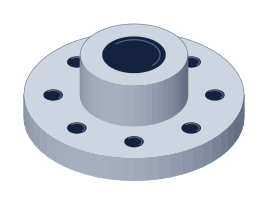
Typical parts include formed channels, panels, shells, welded frames, tube assemblies, machined flanges, brackets, shafts and valve bodies. Many of these combine cutting, forming, welding and machining in one order.
What drives stainless steel fabrication cost
Stainless steel fabrication cost is driven by material, process time and quality requirements. No single figure applies to every part, so quotes are built from the drawing and the agreed inspection plan.
- Grade, alloy surcharge, thickness, form and material availability.
- Machining time, tooling, workholding, tolerance and scrap risk.
- Cutting method and nest efficiency, which affect yield and edge quality.
- Weld volume, joint access, weld class and extent of non-destructive testing.
- Finishing: pickling, passivation, electropolishing or polishing, plus masking.
- Inspection and documentation, including certificates, dimensional reports and traceability.
- Quantity: setup and programming are spread over the batch.
Why order stainless steel fabrication through SR
Ordering stainless steel fabrication through SR gives you one broker-managed route to vetted suppliers, quality control and delivery. SR is a manufacturing broker: it does not own factories or machines.
What SR does
- Reviews your drawings, grade, tolerances, finish and inspection requirements.
- Routes the RFQ to vetted suppliers that match the process and material.
- Returns a consolidated quote, typically within 5-7 working days.
- Manages quality and inspection, including material certificates and weld checks.
- Keeps one point of contact from quote to delivery.
What SR does not do
- Own plants, machines or tooling.
- Perform fabrication in-house.
- Substitute grades or finishes without written approval.
To start a quote, contact killol@sourcingrepository.com or write to 201 SG Mall, Ahmedabad.
Have a drawing to quote?
Upload it with quantity and material to start a quote.
FAQ
Common questions
Can stainless steel be welded?
Yes, most grades can be welded, but procedure, filler, heat input, purge and post-weld cleaning must match the grade and service. Review the WPS, PQR and welder qualifications before production, and confirm the filler metal for the specific grade combination.
How are stainless welds inspected?
Visual inspection is typical. Dye penetrant, radiography or ultrasonic testing is added according to joint design, risk and the governing specification. Define the weld class, NDT extent and acceptance limits on the drawing so inspection is quoted correctly.
What should a fabrication RFQ include?
Provide drawings or models, grade, product standard, dimensions, tolerances, weld requirements, finish, inspection, certifications, quantity, packaging and delivery terms. Include any surface-roughness or visual criteria, and state whether material certificates and heat numbers must be supplied with the parts.
Why does stainless steel distort during welding?
Its thermal expansion and relatively low thermal conductivity can increase heat concentration and distortion. Sequencing, fixturing, tacking and controlled heat input help limit movement. Where distortion is critical, agree straightness tolerances and any post-weld correction method before quoting.
Related resources
Keep reading
Ready when you are
Get a stainless steel fabrication quote
Send your drawings or models with grade, tolerances, finish and quantity. SR will route the RFQ through its vetted supplier network and return a consolidated quote, typically within 5-7 working days.
Your files stay confidential. NDA available on request.