Die Casting Services
Zinc Die Casting for Precision Metal Parts
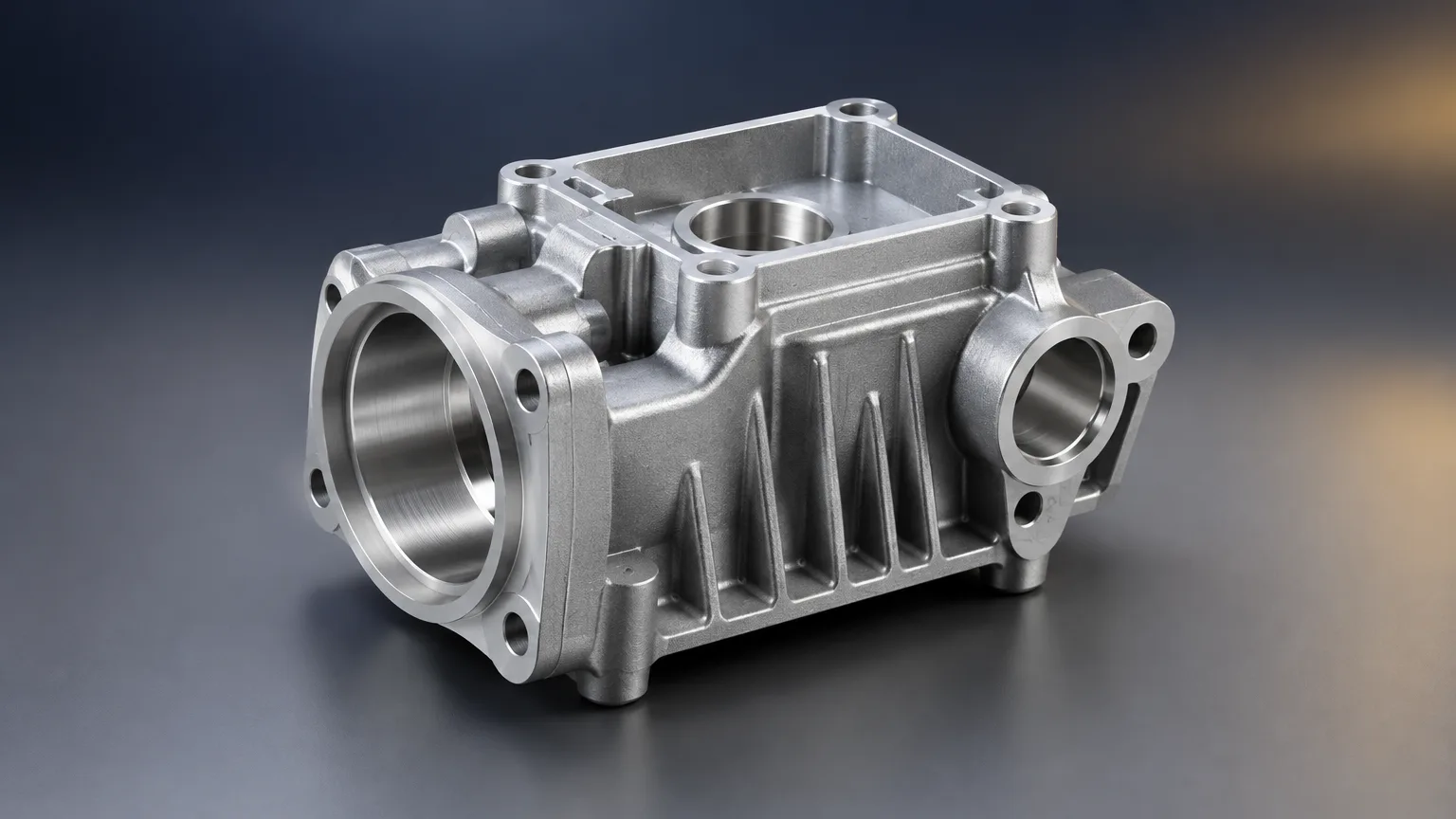
Zinc die casting injects molten zinc alloy into a reusable steel die under pressure to make repeatable, near-net-shape parts.
- Zamak and ZA alloys
- Tolerances to ±0.002 in
- Vetted supplier network
- Inspection managed by SR
- Design review firstWall, draft and gate review before tooling
- Inspection managedDimensional checks against your drawing
- One point of contactQuotes, tooling and delivery in one thread
Zinc die casting is a high-pressure process that injects molten zinc alloy, usually Zamak or ZA, into a reusable steel die to produce near-net-shape parts. It suits small, intricate, high-volume components that need good surface finish, thin walls and stable dimensions. Sourcing Repository collects quotes from a vetted supplier network and manages inspection and delivery.
What zinc die casting is and when to use it
Zinc die casting is a metal casting process that injects molten or semi-molten alloy into a reusable steel die under pressure, producing near-net-shape parts. High-pressure die casting is commonly used for repeatable, high-volume aluminum, zinc, magnesium and selected copper-alloy components.
Zinc alloys are cast on hot-chamber machines, which deliver fast cycles and efficient metal delivery for compatible zinc and selected magnesium alloys. The alloy's fluidity fills thin sections and fine detail, so small parts often come off the die close to final shape.
Who this service is for
- Engineers specifying small, detailed metal components with tight tolerances.
- Procurement managers moving a part from machining or sand casting to a repeatable cast route.
- Founders and product teams that need a first production run without building an in-house supply chain.
When zinc die casting is the right route
- Annual volumes are high enough to amortize tooling cost.
- The part is small to medium, with walls around 0.04–0.08 in [1–2 mm] and fine features.
- You need good as-cast surface finish, dimensional repeatability and low machining allowance.
- The service temperature and load case stay within what zinc alloys handle in your application.
Zinc die casting process steps
The process runs from design review to inspected parts in a fixed sequence. Each step below is a gate: the next one starts only when the previous output is approved.
- 1. Design and DFM review The drawing, alloy, tolerances and annual volume are reviewed. Wall thickness, draft, radii, parting line and gate locations are checked against die-casting practice before any tooling is cut.
- 2. Tooling and die build A steel die is machined to the approved design. Die steel grades such as H-10, H-11 and H-13 are used, with premium or superior H-13 for demanding aluminum, magnesium and ZA tooling.
- 3. Sampling and approval First samples are cast and measured against the drawing. Dimensions, finish and any fit-critical features are confirmed before production release.
- 4. Melting and shot delivery Zinc alloy is melted and delivered to the shot chamber. On hot-chamber machines the injection system sits in the melt, giving fast cycles for compatible zinc alloys.
- 5. Injection and solidification Metal is forced into the die cavity under pressure and held while the part solidifies. Typical production cycle is 15–90 seconds, depending on application and geometry.
- 6. Ejection, trimming and finishing The casting is ejected, runners and flash are trimmed, and secondary operations such as tumbling, machining or plating are applied where specified.
- 7. Inspection and delivery Parts are checked against the agreed inspection plan, packed and shipped. Sourcing Repository manages the inspection step and the delivery schedule.
Zinc die casting materials and finishes
Zinc die casting uses the Zamak and ZA alloy families. Zamak die casting covers the common zinc grades used for small precision hardware, and ZA alloys extend the range where higher strength or wear resistance is needed. The table below lists the die-casting alloy families and their typical uses.
| Material | Grade | Properties | Typical uses |
|---|---|---|---|
| Zinc | Zamak and ZA alloy families | Good fluidity, surface finish, dimensional stability and wear resistance | Small precision hardware, consumer products, locks, fittings and housings |
| Aluminum | Common die-casting aluminum alloys; specify the applicable NADCA or regional alloy designation | Low density, good thermal conductivity, corrosion resistance and castability | Automotive housings, structural parts, heat sinks and equipment enclosures |
| Magnesium | Commercial magnesium die-casting alloy families | Very low density, good stiffness-to-weight ratio and electromagnetic shielding potential | Lightweight automotive, electronics and portable-equipment parts |
| Copper alloys | Commercial brass and bronze die-casting families | High thermal and electrical conductivity; higher density and tooling demands than aluminum | Electrical, plumbing, thermal and industrial components |
Finishes applied after casting
- As-cast: trimmed and tumbled only, where the die finish meets the requirement.
- Machined: critical bores, threads and sealing faces cut after casting.
- Plated: zinc parts commonly take electroplating for corrosion resistance and appearance.
- Painted or powder coated: for housings and visible covers.
- Passivated or conversion coated: for corrosion protection on selected alloys.
Finish choice follows the alloy and the service environment. Confirm the specification with the supplier before tooling, because plating and coating can change critical dimensions.
Zinc die casting specifications and tolerances
Tolerances depend on alloy, part size and feature type. The values below are typical ranges from published die-casting guidance; each one is confirmed against the selected alloy, die design and NADCA tables before quoting.
| Parameter | Typical range | Standard or source |
|---|---|---|
| Typical production cycle | 15–90 seconds | DFMA process comparison; application and geometry dependent |
| Typical tolerance | ±0.002–0.005 in [±0.05–0.13 mm] | DFMA comparison; confirm against NADCA alloy, size and feature tables |
| Miniature casting tolerance | ±0.0008 in [±0.020 mm] up to 1 in [25.4 mm]; ±0.001 in [±0.025 mm] per additional inch | NADCA miniature die-casting engineering reference |
| Minimum wall thickness | Approximately 0.04–0.08 in [1–2 mm], application dependent | DFMA comparison; verify with the selected alloy, die design and NADCA guidance |
| Die steel | H-10, H-11, H-13; premium or superior H-13 for demanding aluminum, magnesium and ZA tooling | NADCA tooling guidance and NADCA No. 229 recommendations |
Size limits follow the machine and die, not a single published figure. The retrieved sources did not establish a universal die life, machine-tonnage range or guaranteed cycle time, so those are confirmed per project. Lead time is quoted per order and depends on tooling, sampling and finishing scope.
Zinc die casting design tips that lower cost
Most cost is fixed at the design stage. These DFM points reduce tooling complexity, cycle time and scrap before the die is cut.
- Keep walls uniform and within roughly 0.04–0.08 in [1–2 mm]. Thick sections cool slower, add porosity risk and lengthen the cycle.
- Add draft on every surface parallel to the die draw. Missing draft forces slides or hand work and raises tooling cost.
- Use generous radii at corners. Sharp internal corners concentrate stress and restrict metal flow.
- Design cores and slides only where the geometry truly needs them. Each one adds tooling cost and maintenance.
- Place tolerances only on features that function. Applying tight tolerance everywhere pushes the part toward machining.
- Specify machining allowance on sealing faces and bores rather than casting them to final size.
- Choose the alloy before finalizing the drawing, since Zamak and ZA grades differ in strength, finish and plating behavior.
Typical zinc die casting applications
Zinc die casting is used where small, detailed metal parts are needed in volume. The alloy's fluidity and finish suit hardware, housings and functional fittings.
| Industry | Example parts | Why zinc die casting fits |
|---|---|---|
| Automotive | Small brackets, sensor housings, lock components, trim clips, connector bodies | Repeatable dimensions, thin walls and good finish at volume |
| Hardware and locks | Lock bodies, cylinders, handles, hinges, latches | Wear resistance, dimensional stability and plating quality |
| Electronics | Enclosures, heat-spreading housings, connector shells, small frames | Fine detail, thin sections and stable dimensions |
| Consumer products | Zippers, fittings, decorative hardware, small mechanisms | Surface finish straight from the die with limited finishing |
| Industrial equipment | Valve parts, fittings, small gears, instrument housings | Wear resistance and repeatability across production runs |
Aluminum, magnesium and copper-alloy die casting are also covered where the duty cycle calls for lower weight, higher conductivity or different mechanical properties.
What drives zinc die casting cost
No universal price applies to zinc die casting. Cost is built from tooling, material, machine time and the operations after casting, and each element is quoted against your drawing and volume.
- Tooling: die size, number of cavities, slides and cores, and the die steel grade selected.
- Annual volume: higher volumes spread tooling and setup cost across more parts.
- Cycle time: wall thickness, part size and alloy affect how long each shot takes.
- Alloy: Zamak and ZA grades carry different material costs and casting behavior.
- Tolerances: tight tolerances, complex geometry and deep cores add machining and inspection.
- Secondary operations: trimming, tumbling, machining, plating, coating and assembly.
- Inspection: the measurement plan, sampling frequency and documentation scope.
- Logistics: packaging, freight and delivery schedule.
Why order zinc die casting through Sourcing Repository
Sourcing Repository is a manufacturing broker. It does not own factories or machines. It collects quotes from a vetted supplier network, manages quality and inspection, and delivers the parts to you.
What you get
- One point of contact for quoting, tooling, production and delivery.
- Quotes collected from a vetted supplier network and compared on the same scope.
- Design review before tooling, so cost drivers are visible early.
- Inspection managed against your drawing and inspection plan.
What SR does not do
- SR does not own plants, machines or certifications.
- SR does not cast parts in-house.
- SR does not publish fixed prices or lead times without a quotation.
- SR does not substitute suppliers without telling you.
How quoting works
- Send the drawing, alloy, annual volume and inspection requirements.
- The scope is reviewed and routed to suitable suppliers in the network.
- Quotes are collected and returned with the tooling, unit and finishing breakdown.
- You approve the quote and the production and inspection plan is set.
- Parts are produced, inspected and delivered.
Quote turnaround is typically 5–7 working days from receipt of a complete drawing and volume data. Deposit and payment terms are confirmed per order:. Questions can go to killol@sourcingrepository.com, or write to 201 SG Mall, Ahmedabad.
Have a drawing to quote?
Upload it with quantity and material to start a quote.
FAQ
Common questions
Is zinc die casting economical?
Zinc die casting is usually most economical at moderate-to-high volume, because tooling and process-development costs are spread across many parts. Hot-chamber machines also give fast cycles for compatible zinc alloys. At low volume, machining or sand casting may compare better.
How much does zinc die casting cost?
No universal price applies. A quotation is built from geometry, alloy, annual volume, tooling, cycle time, secondary operations, tolerances and inspection requirements. Send the drawing and volume data and quotes are collected from the supplier network, typically within 5–7 working days.
What are die casting services?
Die casting services may include design review, die manufacture, casting, trimming, machining, finishing, inspection, assembly and logistics. Scope varies by supplier, so confirm exactly what is included before ordering. Sourcing Repository manages the quoting, inspection and delivery steps on your behalf.
Can zinc die castings be welded?
Welding die castings is limited. Gas porosity and alloy condition must be qualified for the specific process, and some vacuum or specially controlled castings may support welding. If welding is a functional requirement, raise it during design review so the process route can be assessed.
Related resources
Keep reading
Ready when you are
Send your drawing for a zinc die casting quote
Share the part drawing, alloy, annual volume and inspection requirements. Quotes are collected from a vetted supplier network and returned with tooling, unit and finishing costs, typically in 5–7 working days.
Your files stay confidential. NDA available on request.