
What sourcing automotive parts involves
Requirements, processes, and approval expectations before price.
Automotive Sourcing Guide
A practical guide to sourcing automotive parts: choosing processes, specifying materials and tolerances, and managing approval, inspection and cost from prototype to production.
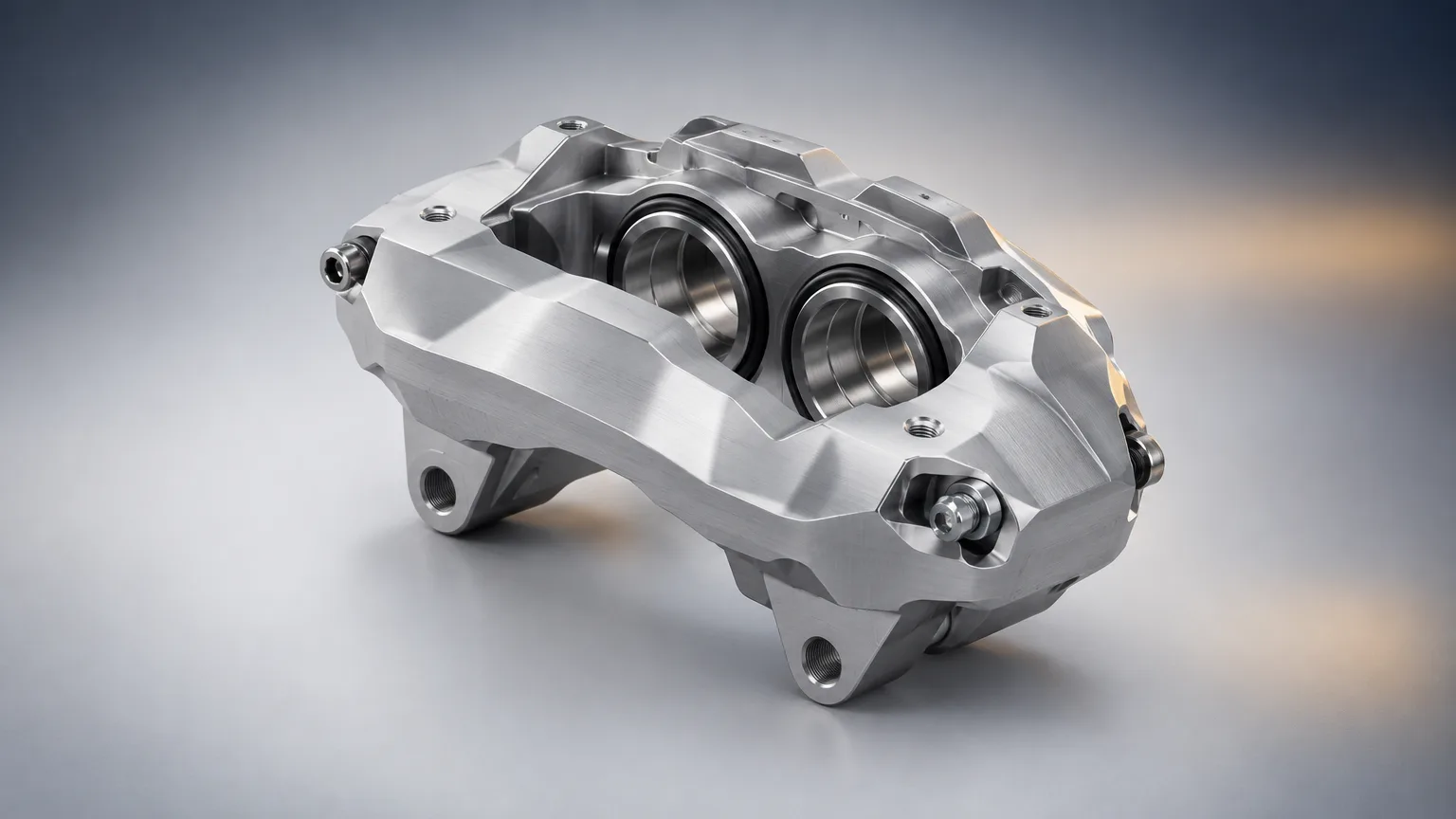
Requirements, processes, and approval expectations before price.
From application definition to production release and monitoring.
Machining, stamping, molding, casting, forging, additive, assembly.
Aluminum, steel, magnesium, zinc, and common plastics.
Trade-offs between flexibility, repeatability, and cost.
Drawing, GD&T, tolerance, and capability rules that speed sourcing.
Where sourced parts are used across the vehicle.
Cost drivers and how to request a quote from SR.
How to source automotive parts is a structured process of defining requirements, selecting a manufacturing process, qualifying suppliers, and validating parts before production release. Buyers provide a controlled drawing or CAD model with material, tolerances, finish and quantity, confirm IATF 16949 and PPAP requirements, and inspect samples before approving production.
How to source automotive parts comes down to four decisions: what the part must do, which process makes it, which supplier can hold the specification, and what evidence proves conformance. Each decision is documented before production release.
Auto parts manufacturing, also called car parts manufacturing or vehicle parts manufacturing, is the production of automotive components, assemblies, and service or accessory parts used in vehicles. It includes metal forming, casting, forging, machining, plastics processing, joining, finishing, and inspection. Automotive component manufacturers commonly operate under IATF 16949 and applicable customer-specific requirements.
Sourcing is a requirements exercise before it is a purchasing exercise. Only after the part, process, measurement method, and evidence are defined does supplier selection and price comparison make sense.
How to source automotive parts differs by program. OEM production programs usually require validated processes, traceability, and customer approval, and a Tier 1 supplier often passes those expectations down the chain. Custom aftermarket work often prioritizes flexibility and low-volume economics. Both need a clear specification and a supplier capable of holding it.
Automotive parts sourcing works as seven steps that run from requirement definition to production release, with a quote and a validation gate in between. Each step produces a document or decision that the next step depends on. Following them in order is how to source automotive parts without surprises at first article.
Types of automotive parts fall into body, chassis, and structural parts; powertrain and drivetrain components; interior and exterior trim; and replacement, service, and performance parts. Knowing how to source automotive parts for each type starts with choosing the process from geometry, volume, material, and tolerance.
| Process | Best fit | Main limitation |
|---|---|---|
| CNC machining | Prototypes, low volumes, tight features, metal parts | Material waste and cycle time can be high |
| Stamping | High-volume sheet-metal parts | Requires dedicated dies; less suitable for complex 3D forms |
| Injection molding | Repeatable plastic parts at volume | Tooling cost and design lead time can be substantial |
| Die casting | Near-net-shape aluminum, zinc, or magnesium parts | Porosity, tooling cost, and alloy limits require control |
| Forging | Strong, fatigue-resistant metal parts | Tooling, material flow, and machining allowances increase cost |
| Additive manufacturing | Prototypes, tooling, complex low-volume parts | Production rate, surface finish, and material qualification may limit use |
| Assembly and joining | Welded, riveted, fastened, bonded, or overmolded assemblies | Joint strength, distortion, and traceability require validation |
The program type sets the route when planning how to source automotive parts. Prototype routes minimize tooling and lead time, while production routes optimize repeatability, cycle time, capability, and total cost.
Material selection drives strength, weight, corrosion behavior, and cost. Grades must be specified on the drawing; the table below lists common families and typical uses, not approved grades.
| Material | Properties | Typical uses |
|---|---|---|
| Aluminum alloys | Low density, corrosion resistance, machinability, and castability | Brackets, housings, wheels, engine and transmission components |
| Carbon and alloy steel | High strength, fatigue resistance, hardness, and weldability vary by grade | Stampings, shafts, gears, suspension, fasteners, and structural parts |
| Magnesium alloys | Very low density and good castability; corrosion protection is often required | Lightweight housings, brackets, seat frames, and instrument-panel structures |
| Zinc alloys | Good die-castability, dimensional repeatability, and surface finish | Handles, latches, housings, and small hardware |
| Polypropylene | Low density, chemical resistance, and good processability | Trim, ducts, covers, containers, and molded interior parts |
| Polyamide | Good strength, wear resistance, and temperature capability; moisture affects dimensions | Gears, clips, brackets, connectors, and under-hood parts |
| ABS | Impact resistance, dimensional stability, and attractive molded surfaces | Interior trim, bezels, housings, and instrument-panel parts |
Material type, grade, availability, and buy-to-fly ratio all affect cost and lead time. Where a grade is not fixed, agree the substitution rules in writing before quoting.
The advantages and limitations of common sourcing routes come down to flexibility versus repeatability and cost. Weighing these trade-offs is central to how to source automotive parts for any program.
| Comparison | Key difference |
|---|---|
| CNC machining vs injection molding | Machining favors low volume, tight features, and metal parts; molding favors high-volume plastic production after tooling investment |
| Stamping vs machining | Stamping is faster and economical for sheet-metal volume; machining offers greater flexibility and localized precision |
| Casting vs forging | Casting supports complex near-net shapes; forging generally provides stronger directional grain and fatigue performance |
| OEM production vs aftermarket custom | OEM work centers on validation and traceability; aftermarket work centers on flexibility and low volume |
| Prototype vs production part | Prototypes favor speed and minimal tooling; production favors repeatability and total cost |
Parts that are designed for the chosen process quote faster and run more consistently. These rules reduce ambiguity between buyer and supplier.
Sourced parts appear across the vehicle, from structure to trim. The application determines the process, material, and approval level.
In every case the same rule applies: the application defines the requirement, and the requirement defines the supplier and process.
No reliable universal price exists for custom auto parts. Cost depends on geometry, material, process, tooling, quantity, tolerance, finishing, inspection, and logistics.
To move from analysis to parts, send a complete package: CAD, drawing and revision, material, finish, tolerances, quantity, delivery location, inspection needs, and intended application. SR collects quotes from a vetted supplier network, manages quality and inspection, and delivers parts. Quote turnaround is typically 5-7 working days.
Upload it with quantity and material to start a quote.
FAQ
No reliable universal price exists. Cost depends on geometry, material, process, tooling, quantity, tolerance, finishing, inspection, and logistics. The same part can price very differently between a machined low-volume route and a tooled high-volume route, so compare quotes on an identical technical package.
Provide CAD, drawing, revision, material, finish, tolerances, quantity, delivery location, inspection needs, and intended application. Add any customer-specific requirements and the expected approval level. A complete package lets suppliers quote the same scope, which makes comparison meaningful.
A supplier may reverse-engineer or develop a model, but requirements, ownership, tolerances, materials, and approval responsibilities must be agreed in writing. Without a controlled drawing, conformity is hard to verify and disputes are more likely, especially on safety-related characteristics.
No. It defines a quality-management system; part conformity still depends on specifications, controls, inspection, and customer requirements. Certification indicates a controlled system, not that a specific feature will meet its tolerance. Verify capability studies and inspection evidence for the features that matter.
Related resources
Ready when you are
Send your drawing, material, tolerances and quantity. SR collects quotes from a vetted supplier network, manages quality and inspection, and delivers parts. Typical quote turnaround is 5-7 working days.
Your files stay confidential. NDA available on request.